Smart Transport Refrigeration
-
 2026-07-27
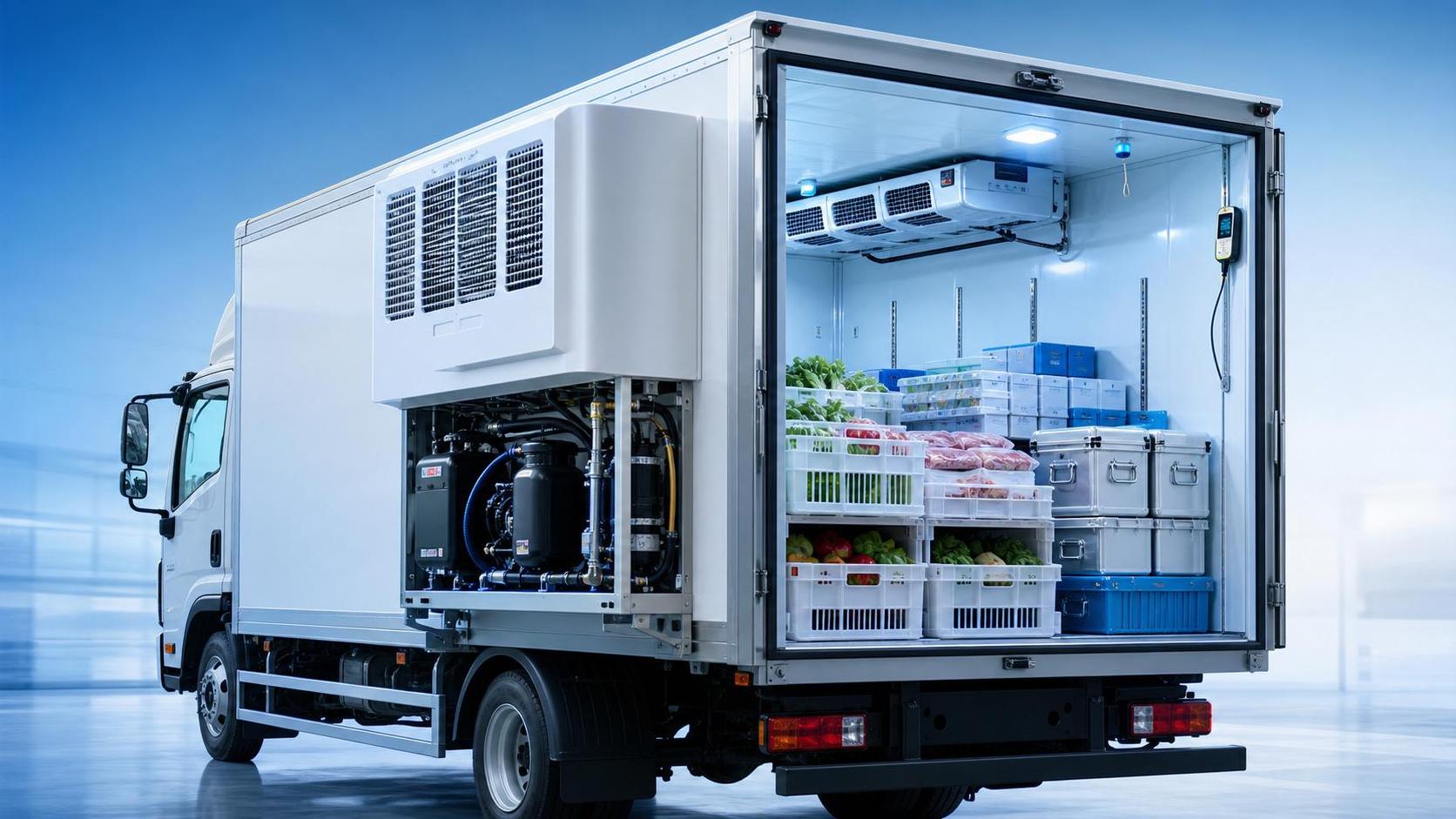
How Direct Drive Refrigeration Improves Efficiency and Reliability in Cold Chain Fleets
Direct drive refrigeration boosts cold chain fleet efficiency and reliability with cleaner power delivery, tighter temperature control, and lower maintenance risk. Learn what to evaluate before you buy.
-
 2026-07-26
Cold Chain Compliance Intelligence: How to Reduce Audit Risk Across Food Logistics
Cold chain compliance intelligence helps food logistics teams reduce audit risk with better temperature records, sensor governance, alarm workflows, and traceable handoffs.
-
 2026-07-18
Cold Chain Insulation Materials Explained: How to Choose for Temperature-Sensitive Transport
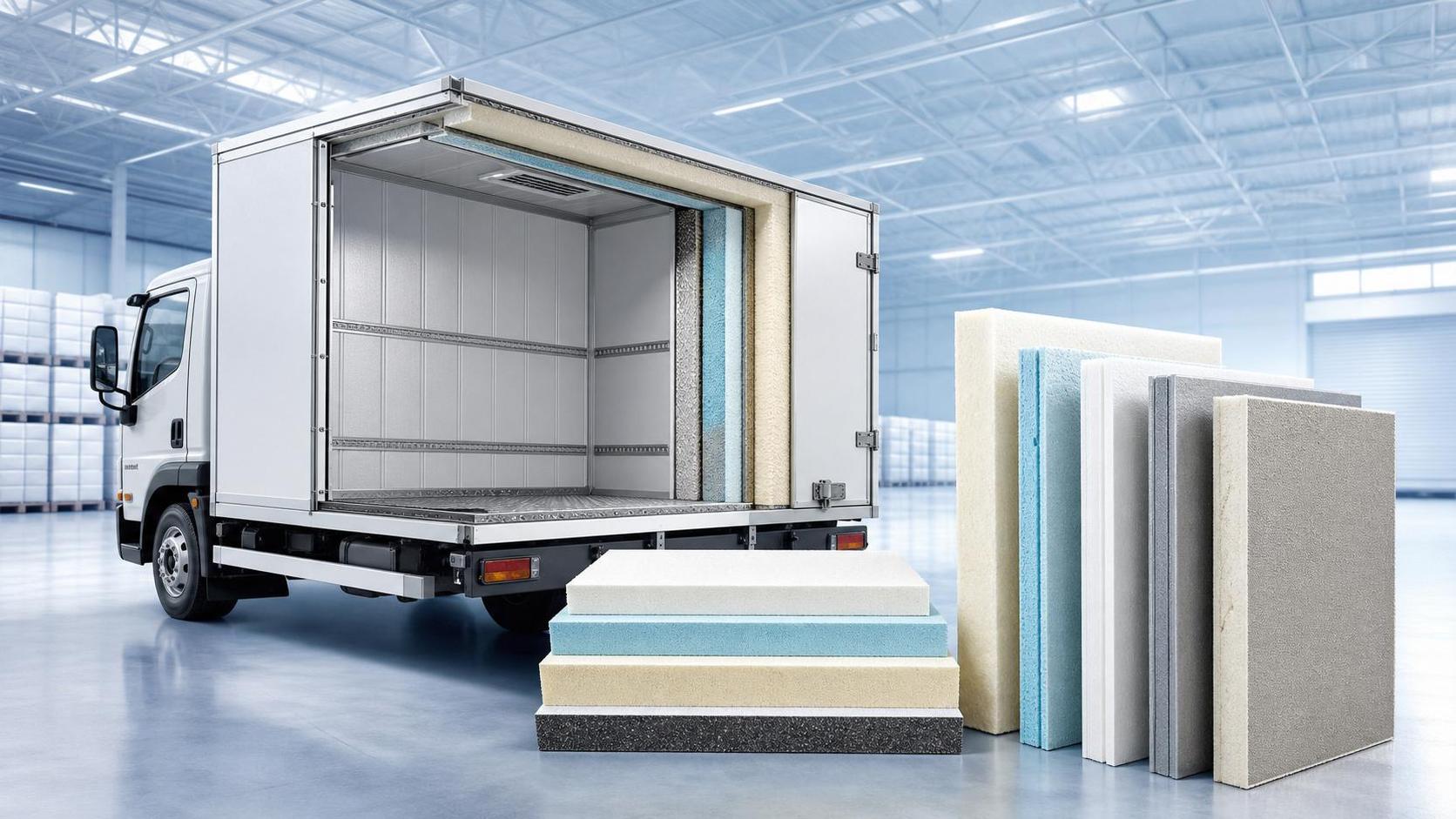
Cold chain insulation explained: compare PU, XPS, and VIP materials, learn key selection criteria, and choose the right solution for safer, more efficient temperature-sensitive transport.
-
 2026-07-16
How to Improve Refrigerated Truck Energy Efficiency: Key Factors That Affect Fuel and Power Use
Refrigerated truck energy efficiency starts with insulation, airflow, reefer maintenance, and smarter routes. Learn practical ways to cut fuel and power use while protecting cold chain cargo.
-
 2026-07-13
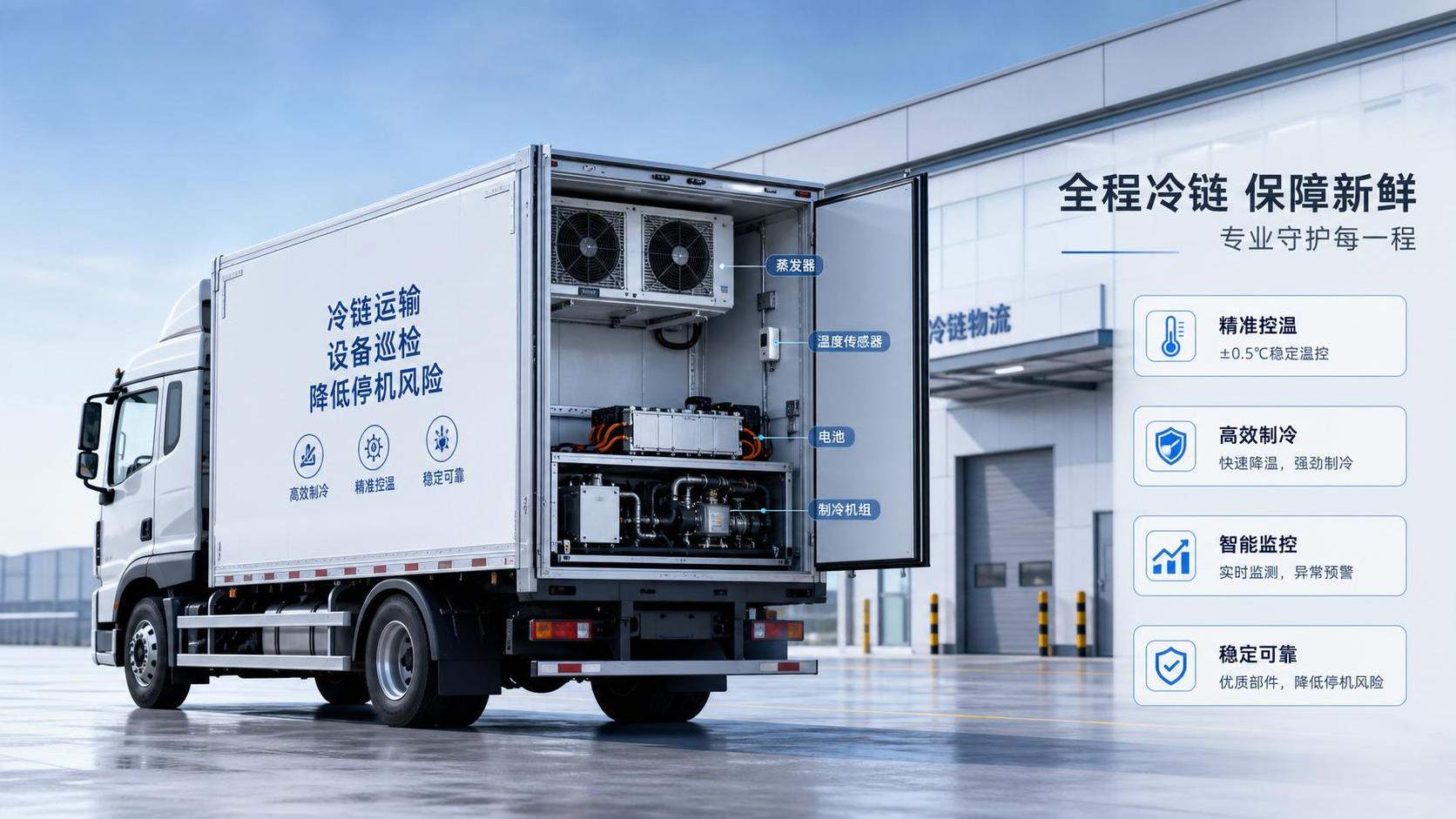
How to Reduce Reefer Truck Downtime: 7 Failure Points in Cold Chain Operations
Reefer truck downtime often starts with hidden leaks, power instability, or worn door seals. Discover 7 failure points and practical fixes to protect cold chain uptime.
-
 2026-07-11
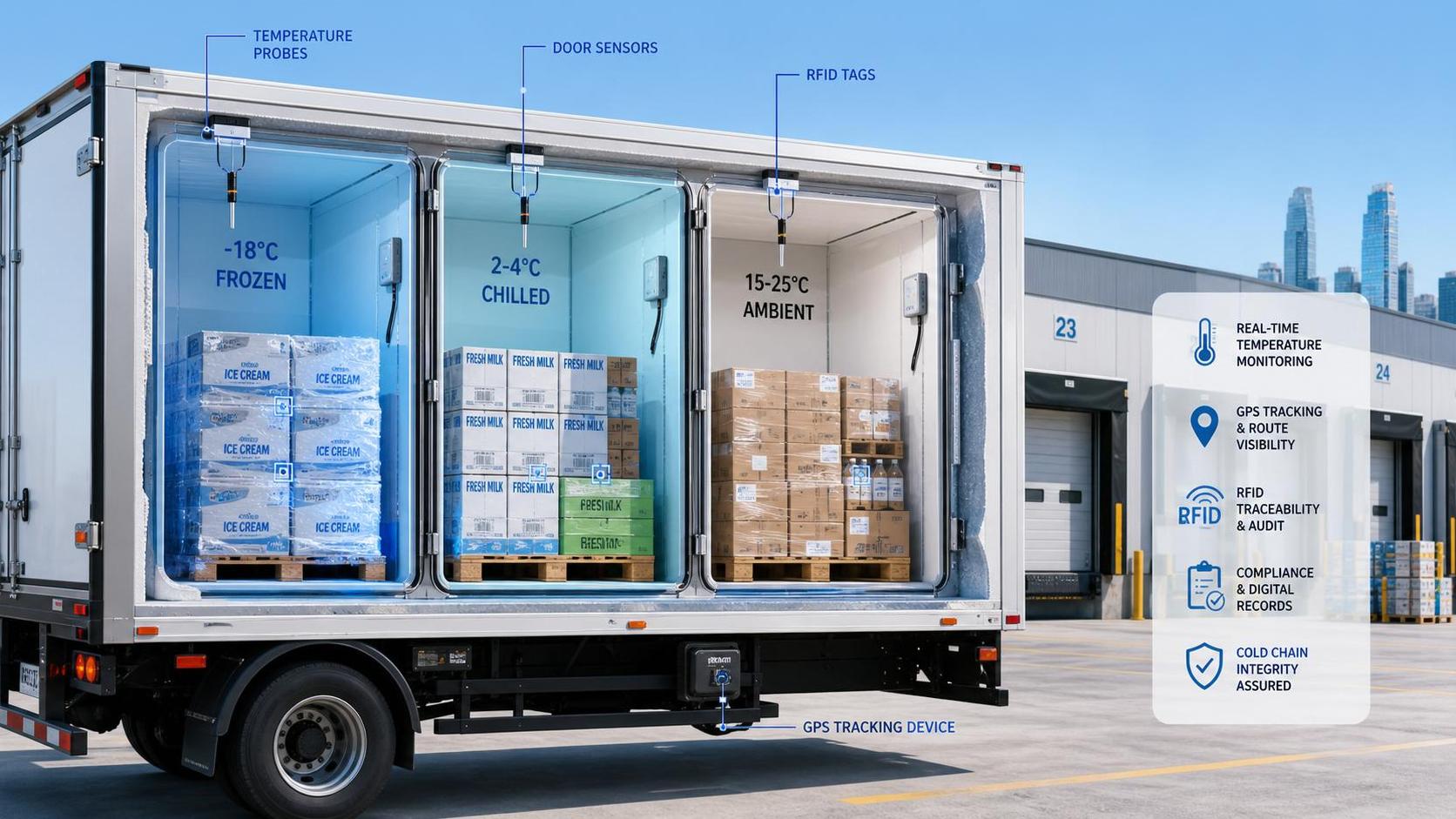
Cold Chain Traceability for Multi-Temp Delivery: Data Points, Sensors, and Audit Risks
Cold chain traceability for multi-temp delivery: learn which data points, sensors, and audit controls matter most to reduce risk, defend shipments, and strengthen compliance.
-
 2026-07-10
Refrigerated Truck Cooling Problems: Why Temperature Swings Happen and How to Fix Them
Refrigerated truck cooling issues often stem from airflow, insulation, sensors, and route stress—not just the unit. Learn the real causes of temperature swings and practical fixes.
-
 2026-07-07
Rotterdam Makes Live Cold-Chain Data a Release Prerequisite
Rotterdam live cold-chain data rules now make release dependent on 72-hour e-CMR reporting. See how GPS, temperature, humidity, and door-status compliance will impact EU-bound refrigerated equipment deliveries.
-
 2026-07-02
Cold Chain Solutions for Urban Delivery: How to Match Temperature Control to Product Risk
Cold chain solutions for urban delivery start with product risk. Learn how to match temperature control, equipment, and monitoring to cut waste, protect quality, and improve compliance.
-
 2026-07-01
Fleet Data Integration for Cold Chain Trucks: What Systems Need to Connect First?
Fleet data integration for cold chain trucks starts with telematics and reefer controls, then TMS, energy, and ERP. Learn the smartest connection order to reduce cargo risk and improve uptime.