
In specialty truck upfitting, bodybuilders remain the practical force that converts a factory chassis into a working commercial asset. A bare platform may carry the brand, drivetrain, and base safety architecture, but mission success often depends on how bodybuilders integrate structures, insulation, tanks, lifting systems, loading interfaces, control logic, and compliance details. In sectors such as refrigerated distribution, municipal sanitation, heavy trailer adaptation, and hazmat mobility, the value of bodybuilders shows up in payload, uptime, safety margins, regulatory readiness, and lifecycle cost. For a market observer like HTSV, understanding why bodybuilders still matter is essential to reading where vehicle performance is actually created.
What do bodybuilders actually do in specialty truck upfitting?
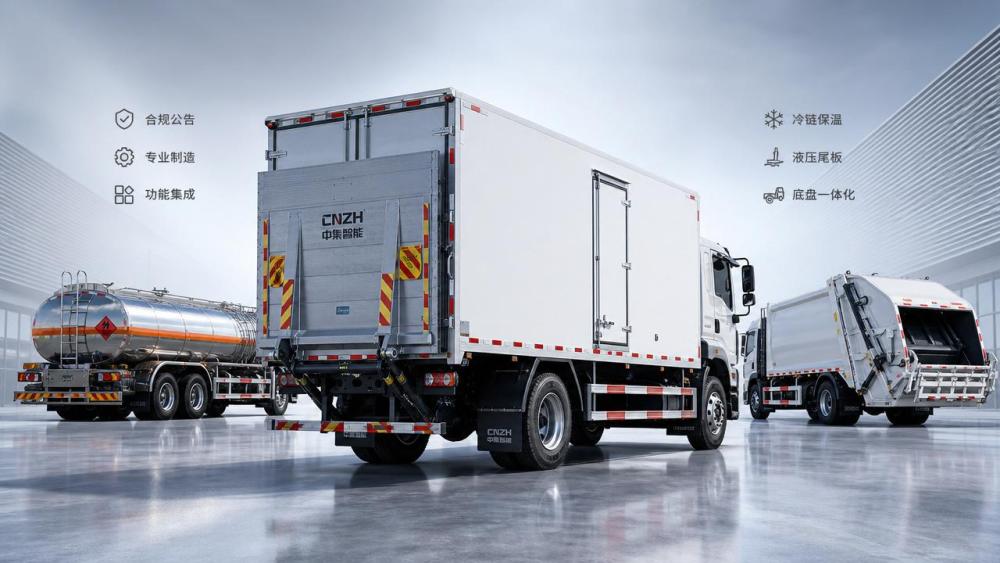
The simplest answer is that bodybuilders engineer the final working vehicle around a standard chassis or cab-and-chassis platform. That work goes far beyond mounting a box or tank. It includes structural design, weight distribution, axle load calculations, mounting strategy, corrosion protection, electrical integration, hydraulic routing, thermal performance, access safety, and application-specific certification. In modern fleets, bodybuilders also influence telematics integration, battery packaging interfaces for electric trucks, and software-linked functions such as PTO management, refrigeration controls, or sanitation automation.
This role is especially critical because chassis OEMs build scalable platforms, not fully customized end-use machines. A heavy-duty tractor can be optimized for aero drag and power efficiency, yet still require a specialist conversion for extreme recovery, municipal support, tanker duty, or refrigerated urban delivery. The gap between “vehicle delivered” and “vehicle productive” is where bodybuilders create value.
In practical terms, bodybuilders determine whether a truck can maintain temperature in dense city traffic, resist chemical corrosion in hazmat service, survive repeated compaction cycles in sanitation duty, or protect payload under demanding route conditions. That is why specialty truck upfitting is not a cosmetic step. It is a second layer of engineering with direct operational consequences.
Why do bodybuilders still matter when OEM platforms are becoming smarter and more advanced?
Advanced OEM platforms have improved baseline safety, connectivity, and energy efficiency, but they have not removed the need for bodybuilders. If anything, the need has become more technical. Electrification changes frame packaging, auxiliary power demand, thermal management, and legal payload sensitivity. Autonomous and assisted driving features add sensor placement concerns, electromagnetic compatibility questions, and calibration constraints. Tight urban regulations and ZEZ policies make every kilogram, decibel, and kilowatt-hour matter.
Bodybuilders are the ones aligning these advanced platforms with real work. In a refrigerated truck, for example, the difference between average and excellent upfitting may come from insulation quality, door sealing strategy, evaporator placement, floor durability, and independent electric refrigeration integration. In sanitation vehicles, it may come from side-loader geometry, compactor cycle tuning, low-speed safety systems, and wash-down durability. In hazmat transport, it may involve anti-slosh design, grounding interfaces, rollover mitigation compatibility, and emergency shutoff accessibility.
OEM intelligence provides the base layer. Bodybuilders translate that intelligence into application-specific reliability. Without that translation, even a high-spec truck can underperform in the field, trigger compliance issues, or create hidden TCO penalties through downtime, premature wear, or operational inefficiency.
Which applications depend most on bodybuilders, and why?
Some sectors are especially dependent on bodybuilders because their performance is inseparable from the built body or mounted system. The following examples show where bodybuilders shape the vehicle more than the base chassis alone:
- Cold chain trucks: bodybuilders control thermal integrity, box weight, airflow design, hygienic surfaces, and loading practicality. These factors directly affect spoilage risk and energy consumption.
- Municipal sanitation vehicles: bodybuilders integrate hoppers, compactors, lifters, tanks, and route-specific automation. Duty cycles are severe, so structural fatigue and service access are crucial.
- Hazmat transport units: bodybuilders are central to tank geometry, baffle design, spill containment, pressure protection, and standards compliance. Safety performance depends heavily on this work.
- Heavy haul and special support trucks: bodybuilders adapt load paths, outriggers, reinforcement zones, towing interfaces, and hydraulic systems to match extreme use conditions.
- Urban utility and service fleets: bodybuilders help balance maneuverability, operator safety, compact dimensions, and tool access in crowded operating environments.
Across these segments, bodybuilders matter because the “body” is not an accessory. It is the core of the job. A weak upfit can erase the advantages of a strong chassis, while a well-executed one can extend asset value for years.
How should bodybuilders be evaluated beyond price?
Price is visible, but poor specialty truck upfitting creates delayed costs that often exceed the initial savings. The better way to assess bodybuilders is through a performance and risk framework. That means examining engineering depth, documentation quality, validation methods, serviceability, and application experience on similar duty cycles.
A useful evaluation starts with five questions. First, does the builder understand the route reality, not just the vehicle specification? Second, is the design optimized for legal payload and axle compliance? Third, how well is the body integrated with OEM electronics, braking logic, and safety systems? Fourth, what evidence exists for durability under vibration, wash-down, corrosion, thermal cycling, or hazardous media? Fifth, how easy is the vehicle to inspect, maintain, and repair?
This is where experienced bodybuilders stand apart. They can explain why a certain subframe design protects battery packs on an electric chassis, why a lighter panel system still survives dock impacts, or why a service hatch location reduces maintenance time. Their value is often found in what does not happen later: no recurrent cracks, no temperature drift, no overloaded axle disputes, and fewer unplanned workshop visits.
What are the biggest mistakes people make when judging bodybuilders?
One common mistake is treating all bodybuilders as fabrication suppliers instead of system integrators. In specialty truck upfitting, fabrication skill matters, but it is only part of the picture. The real challenge is balancing structure, compliance, operating ergonomics, serviceability, and mission performance on a moving platform that must survive years of stress.
Another mistake is focusing on delivery speed without checking validation depth. A fast build can become a slow asset if body mounts crack, refrigeration efficiency falls short, or a tanker body causes poor handling due to inadequate surge control. Short-term procurement gains can easily turn into long-term fleet losses.
A third error is ignoring future regulation. The best bodybuilders design with adaptation in mind. They anticipate tighter emissions zones, more digital inspection demands, stricter noise limits, and broader use of telematics. Specialty vehicles increasingly need upgrade paths, not just one-time completion.
Finally, many underestimate the importance of service access. If a sanitation body blocks routine chassis maintenance, or if a refrigerated body makes evaporator repair unusually labor-intensive, the vehicle loses uptime. Good bodybuilders think like operators from day one, not only like designers.
How do bodybuilders influence total cost of ownership and future competitiveness?
The strongest argument for why bodybuilders still matter is total cost of ownership. Their decisions affect tare weight, energy demand, payload efficiency, maintenance hours, spare parts complexity, body life, resale prospects, and incident exposure. In sectors operating under thin margins and strict compliance, these variables can outweigh purchase price by a wide margin.
A lighter refrigerated body can increase legal payload and improve EV range. A corrosion-resistant sanitation body can extend service life and reduce refurbishment frequency. A well-baffled hazmat tank can improve handling stability and lower safety risk. A heavy haul conversion with proper reinforcement can avoid chronic frame stress and costly structural repairs. These are not theoretical benefits; they are measurable economic outcomes created by bodybuilders.
Their importance also grows as commercial vehicles become more specialized. Fleets need assets that are not merely compliant on paper but productive in actual routes, climates, and urban restrictions. Bodybuilders help bridge that gap by combining application knowledge with engineering execution. In doing so, they influence whether a vehicle remains competitive as policy, energy systems, and logistics patterns evolve.
Quick FAQ summary table
In the end, bodybuilders still matter because specialty truck upfitting is where transport theory meets operating reality. The base vehicle may supply power, control architecture, and brand confidence, but the upfit defines job performance. For anyone tracking heavy transport, refrigerated logistics, sanitation systems, trailers, or hazardous cargo mobility, the most useful next step is to examine body design with the same seriousness given to chassis selection. That is where safety, efficiency, and long-term value are often decided.
A practical way forward is to compare upfit solutions by duty cycle, compliance exposure, service demands, and future adaptation potential. When those factors are reviewed carefully, the role of bodybuilders becomes impossible to dismiss. They are not a finishing step at the edge of the process; they are central to how specialty commercial vehicles deliver real-world results.