Hazmat Transports
-
 2026-06-12
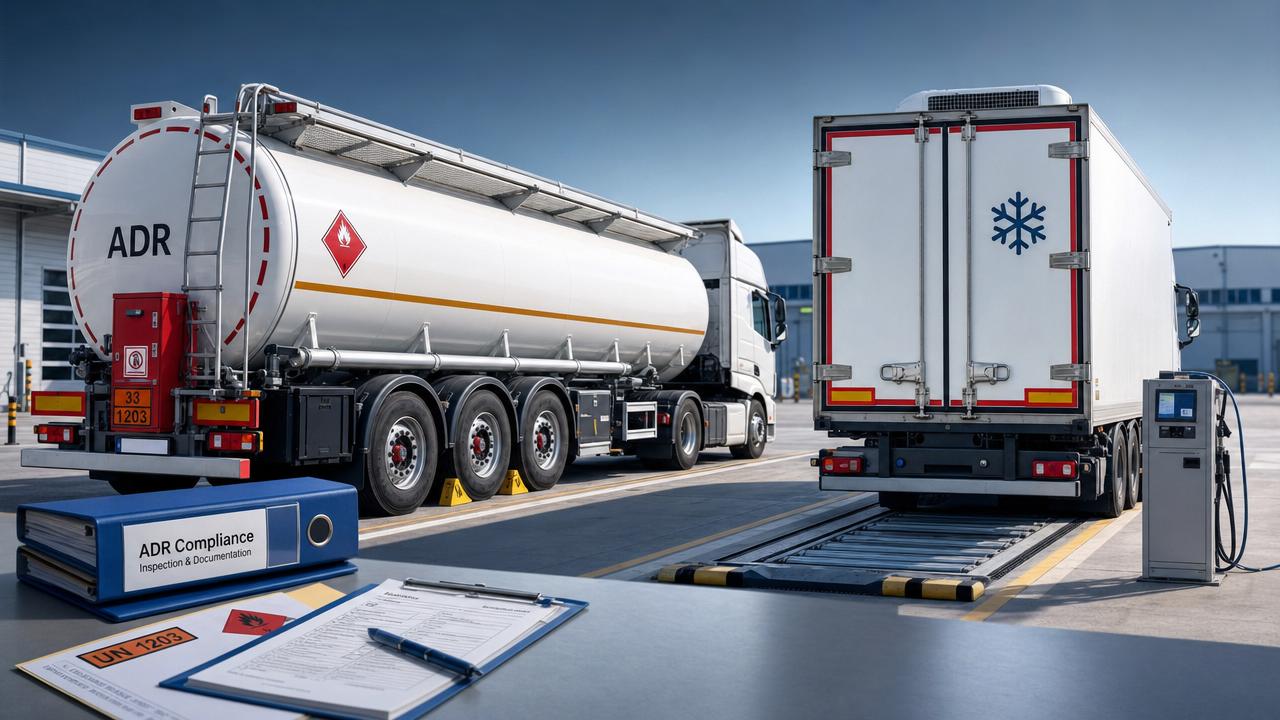
ADR Compliance Consulting: What Services Are Included and When Do Operators Need It?
ADR compliance consulting helps operators manage classification, vehicle checks, documents, training, and audits. Learn what services are included, when expert support is needed, and how to reduce costly transport risks.
-
 2026-06-12
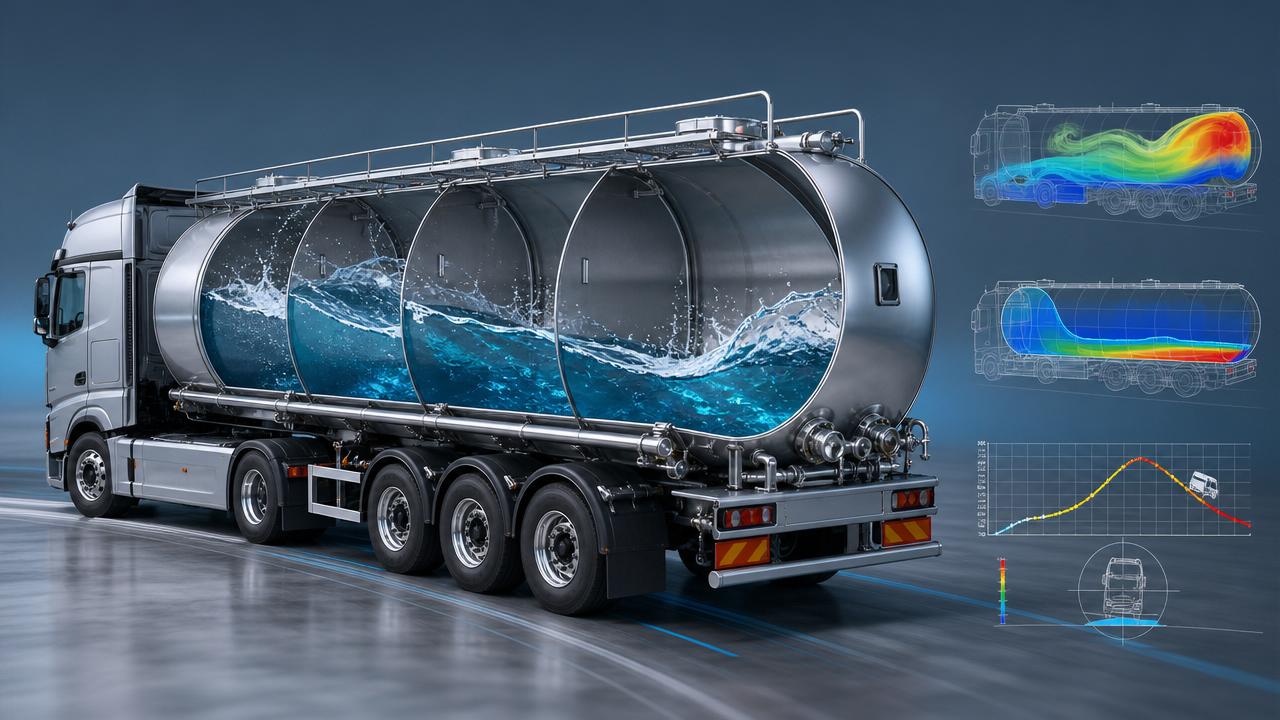
How CFD Simulations Improve Tanker Truck Design for Slosh Control and Rollover Risk
CFD simulations for tanker truck design reveal slosh behavior, rollover risk, and load transfer early, helping engineers build safer, more stable tankers with smarter compliance and performance decisions.
-
 2026-06-12
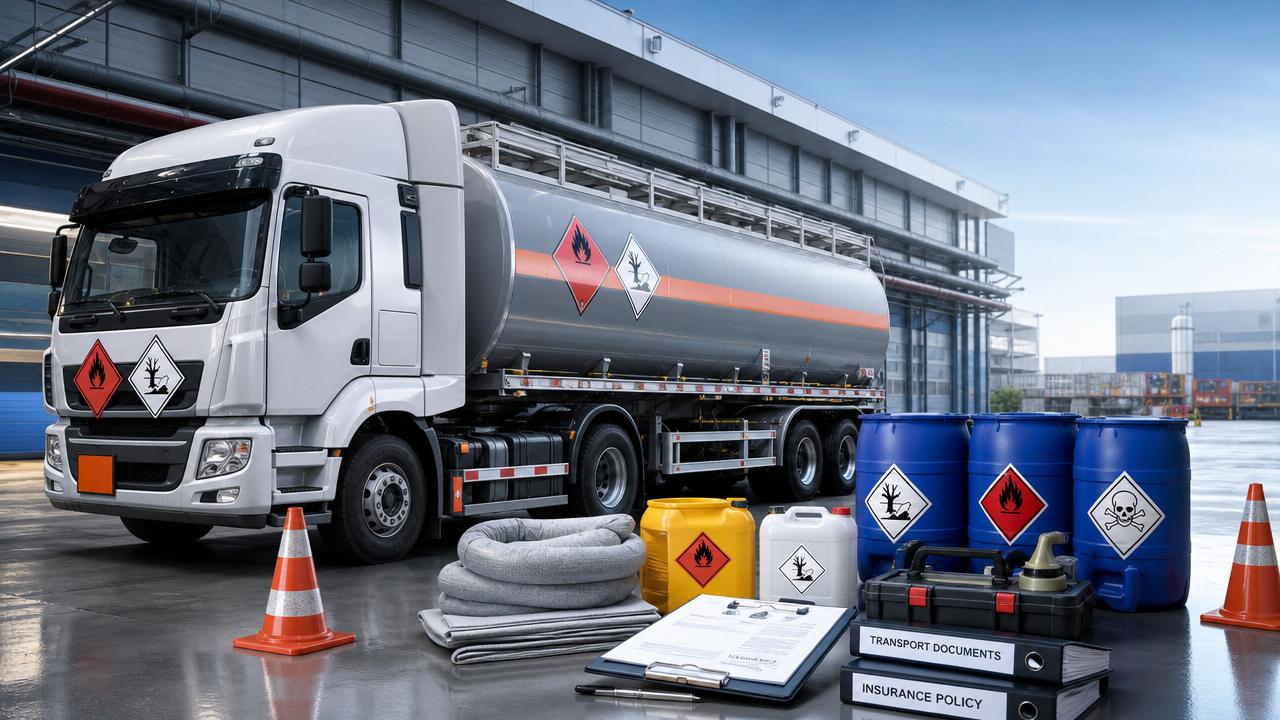
Choosing a Hazmat Transport Provider: Licenses, Equipment, and Liability Checks
Hazmat transport provider selection starts with verified licenses, fit-for-purpose equipment, and liability checks. Learn how to reduce compliance risk and avoid costly shipping mistakes.
-
 2026-06-10
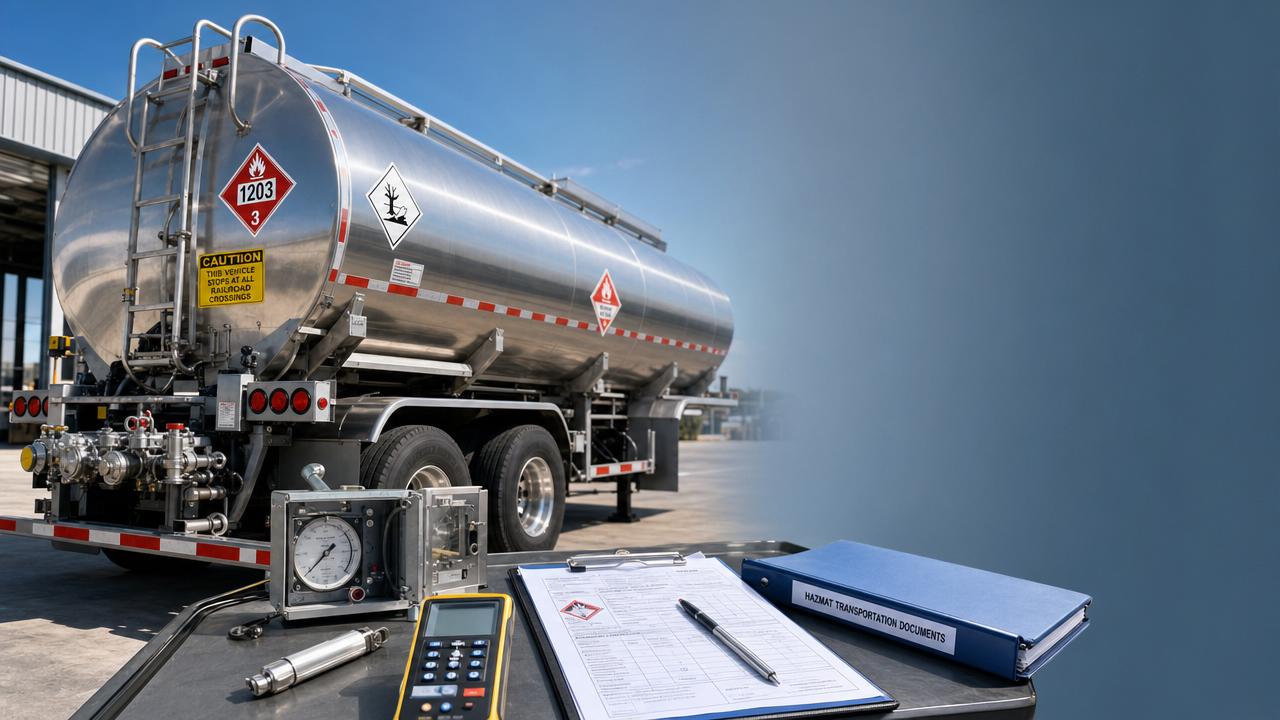
Hazmat Transport Compliance: Which US Rules Apply to Tank Design, Labeling, and Training?
Hazmat transport compliance explained: learn which U.S. DOT, PHMSA, and FMCSA rules govern tank design, labeling, placarding, and training to reduce risk and avoid costly violations.
-
 2026-06-10
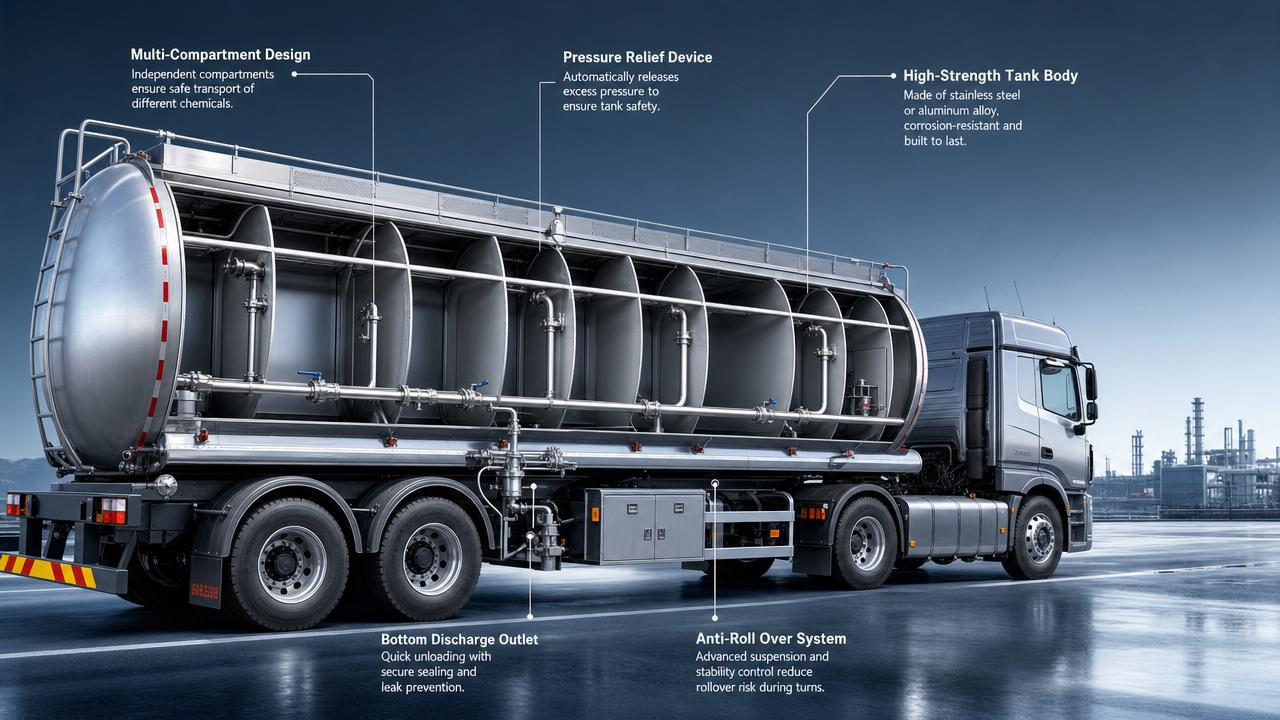
Hazmat Tanker Equipment Explained: Key Components, Materials, and Safety Functions
Hazmat tanker equipment explained: explore key components, materials, anti-slosh design, and safety functions to choose safer, compliant tanker solutions for hazardous transport.
-
 2026-06-09
Hazmat Tanker Safety Checklist: Common Failure Points in Loading, Transit, and Unloading
Hazmat tanker safety checklist for loading, transit, and unloading: uncover common failure points, reduce risk, and improve compliance with practical, route-specific inspection tips.
-
2026-06-09
Hazardous Material Transport Europe: Key ADR Requirements and Vehicle Compliance Checks
Hazardous material transport Europe explained: learn key ADR requirements, vehicle compliance checks, and fleet risk points to keep dangerous goods operations safe, legal, and inspection-ready.
-
2026-06-09
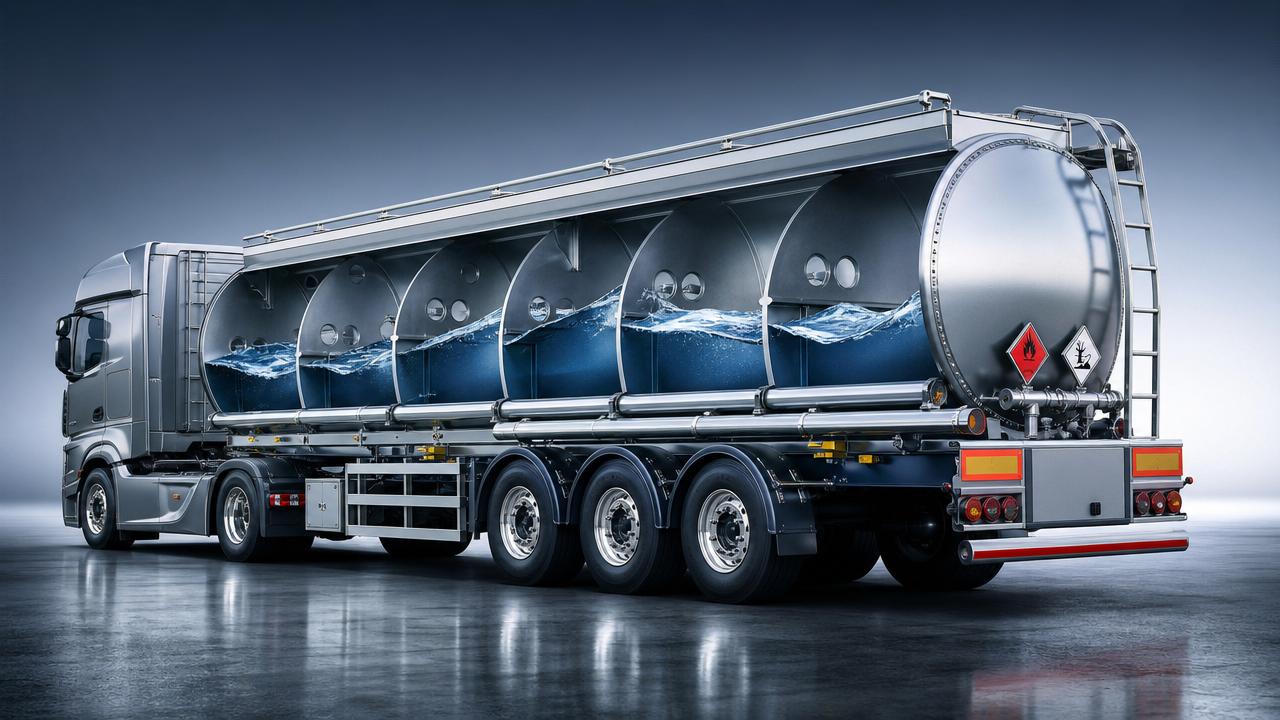
Liquid Sloshing in Tankers: What Causes It and How Anti-Slosh Design Reduces Risk
Liquid sloshing in tankers can trigger surge loads, instability, and rollover risk. Learn what causes it and how anti-slosh design improves safety, control, and compliance.
-
 2026-06-08
Tank Baffle Design Basics: How to Reduce Surge in Fuel and Chemical Tankers
Tank baffle design basics for fuel and chemical tankers: learn how smart surge control improves stability, safety, compliance, and real-world transport performance.
-
 2026-06-07
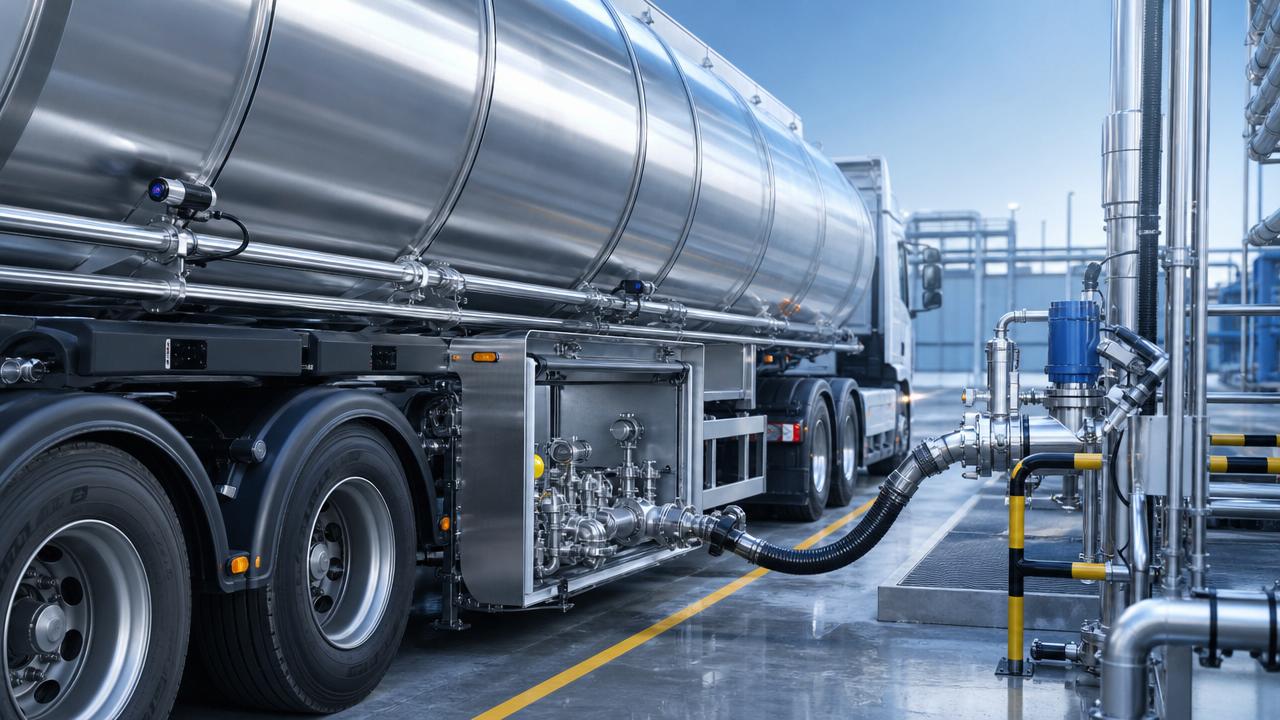
Hazmat Spill Prevention: 7 Design Controls That Reduce Loading and Transit Risks
Hazmat spill prevention starts with smarter tanker design. Discover 7 proven controls that cut loading, transit, and rollover risks while improving compliance, uptime, and fleet safety.