
Corrosive Chemical Tankers
-
 2026-06-27
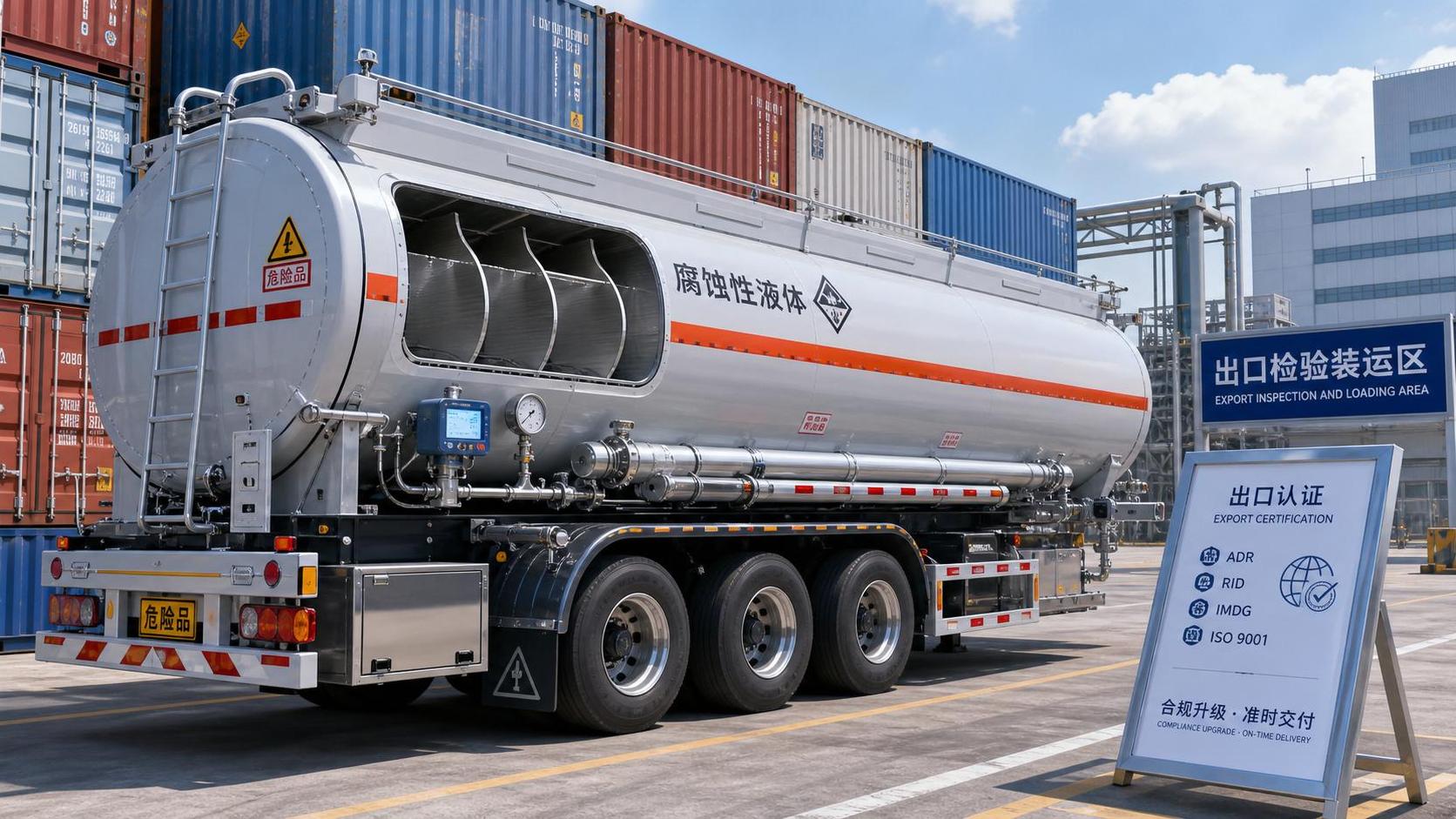
DOT Rule Tightens Corrosive Tanker Export Compliance
DOT Rule Tightens Corrosive Tanker Export Compliance: learn how FMVSS No.223-Rev.2026 impacts tanker design, recertification, lead times, and procurement decisions before the Sept. 1 deadline.
-
 2026-06-26
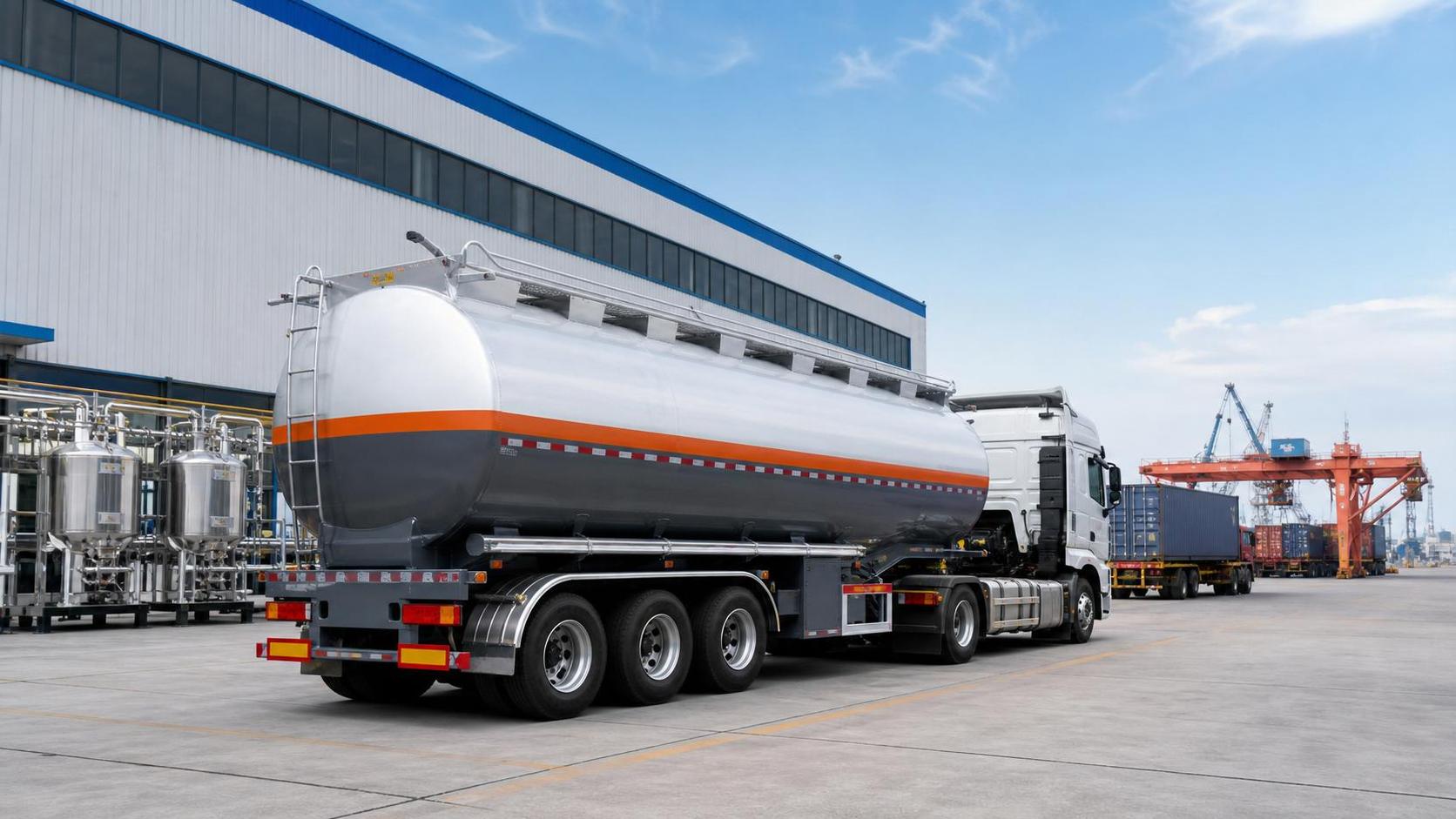
Leishen Gets Full Tanker Export License
Leishen gets full tanker export license, signaling faster tanker exports, earlier ADR and ECE R111 compliance planning, and a 45-day delivery cycle for fuel and chemical transport buyers.
-
 2026-06-26
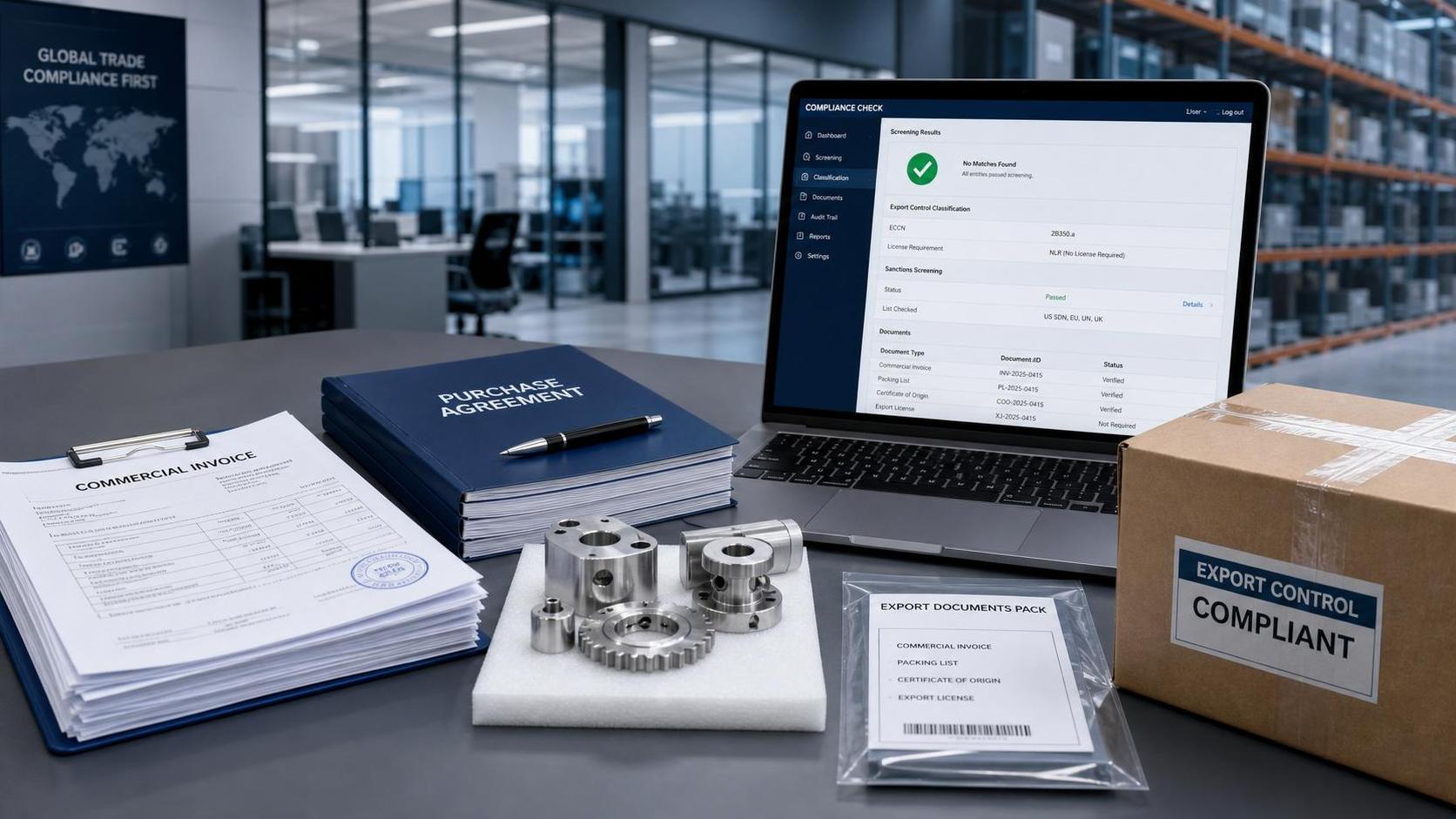
中方对56家美企实施出口与采购限制
China imposes export and procurement restrictions on 56 U.S. firms, reshaping compliance, sourcing, and delivery risks. Learn what exporters, buyers, and supply chains must check now.
-
 2026-06-25
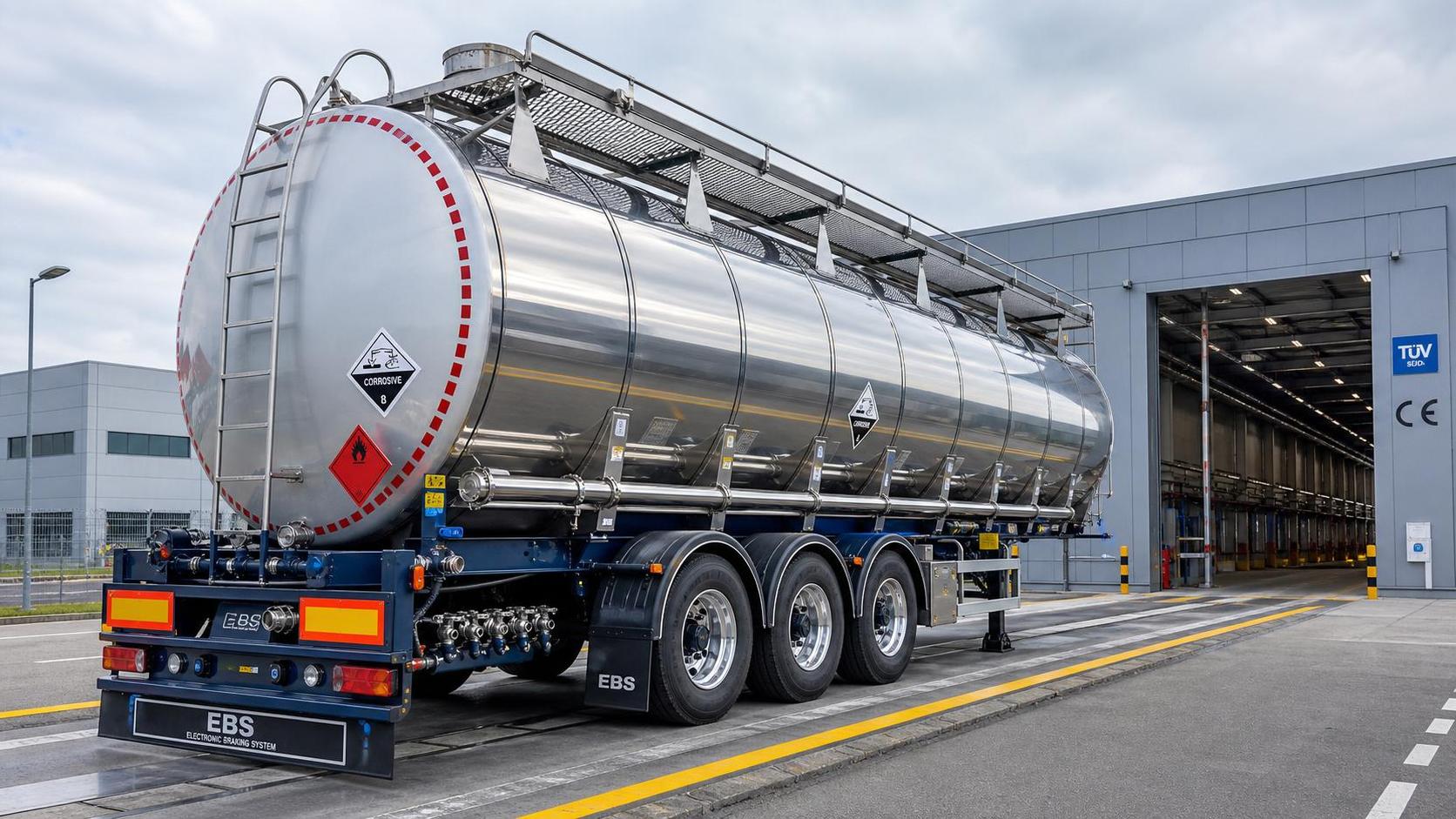
EU ADR Rule Takes Effect on July 1 for Corrosive Chemical Tankers
EU ADR rule takes effect July 1, requiring corrosive chemical tankers to pass anti-slosh baffle certification and EBS verification. Learn who is affected, key compliance risks, and what exporters, suppliers, and EU buyers must do now.
-
 2026-06-24
Chemical Tanker Transport Requirements: Tank Materials, Safety Systems, and Route Risks
Chemical tanker transport demands the right tank materials, layered safety systems, and smart route risk control. Learn the key requirements that protect cargo, compliance, and fleet safety.
-
 2026-06-24
EU ADR Rule Takes Effect for Certified Anti-Slosh Tankers
EU ADR Rule takes effect July 1, 2026, requiring certified anti-slosh tankers for corrosive liquid transport. Learn compliance risks, certification impact, and EU market access steps.
-
 2026-06-23
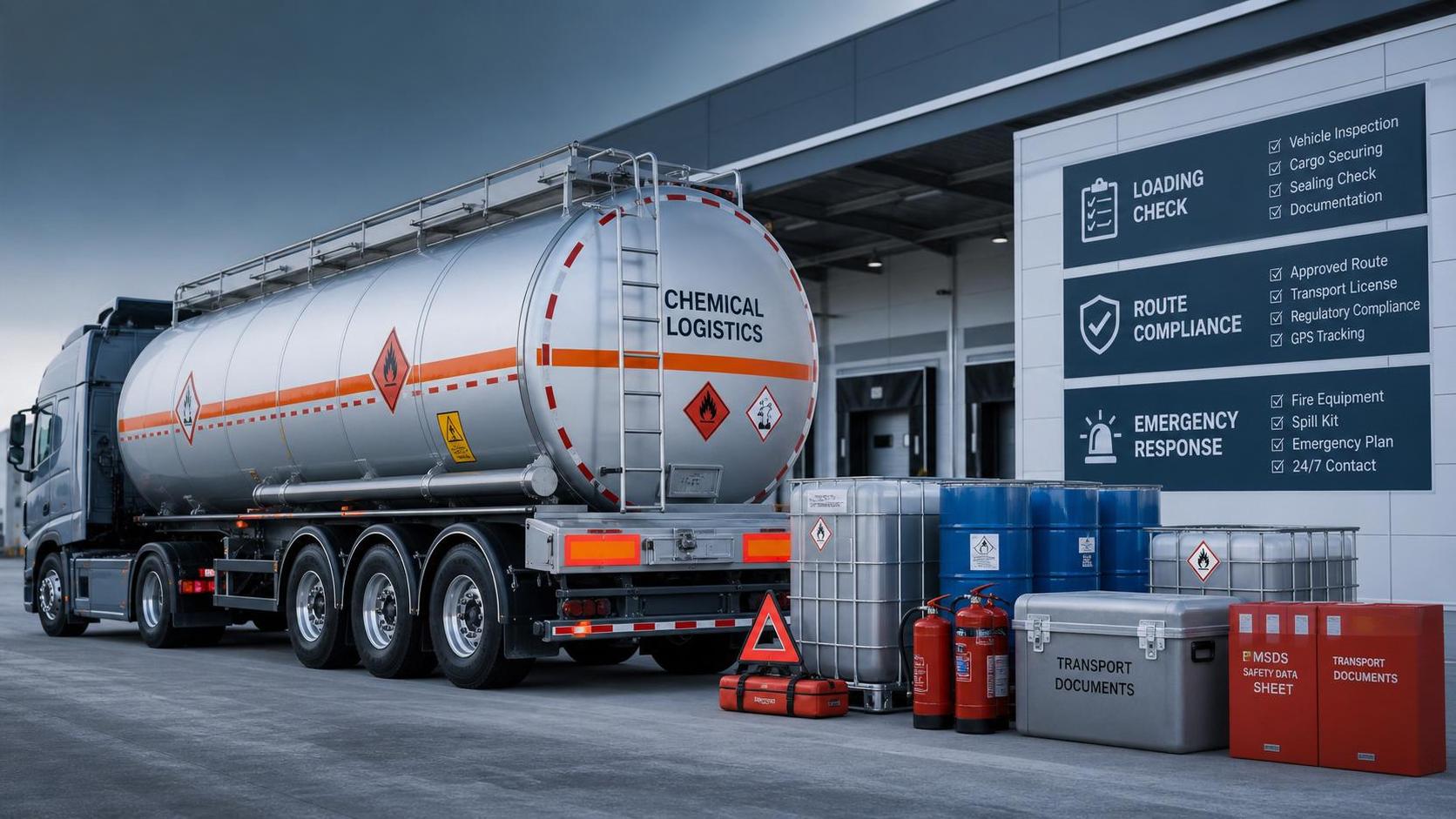
Hazmat Transport Safety Checklist: Loading, Routing, Placards, and Emergency Response
Hazmat transport safety starts before departure. Explore a practical checklist for loading, routing, placards, and emergency response to reduce risk and improve fleet compliance.
-
 2026-06-21
How to Choose Hazmat Tankers for Chemical Transport by Cargo Type and Compliance Needs
Hazmat tankers for chemical transport: learn how to match tanker design to cargo type, route risk, and compliance needs to improve safety, cut downtime, and choose with confidence.
-
 2026-06-21
US-Iran Peace Deal Resets Middle East Tanker Risk
US-Iran peace deal resets Middle East tanker risk as Hormuz traffic reopens. Learn how lower delay pressure meets stricter chemical shipping, EPCRA, ADR, and IMDG compliance.
-
 2026-06-20
India Rice Export Curbs Shift Focus to Tanker Retrofits
India rice export curbs are reshaping grain logistics fast, pushing tanker retrofits and food-grade compliance into focus. See what traders, importers, and marine suppliers should watch now.
-
2026-06-27
DOT Rule Tightens Corrosive Tanker Export Compliance
DOT Rule Tightens Corrosive Tanker Export Compliance: learn how FMVSS No.223-Rev.2026 impacts tanker design, recertification, lead times, and procurement decisions before the Sept. 1 deadline.
-
2026-06-26
Leishen Gets Full Tanker Export License
Leishen gets full tanker export license, signaling faster tanker exports, earlier ADR and ECE R111 compliance planning, and a 45-day delivery cycle for fuel and chemical transport buyers.
-
2026-06-26
中方对56家美企实施出口与采购限制
China imposes export and procurement restrictions on 56 U.S. firms, reshaping compliance, sourcing, and delivery risks. Learn what exporters, buyers, and supply chains must check now.
-
2026-06-25
EU ADR Rule Takes Effect on July 1 for Corrosive Chemical Tankers
EU ADR rule takes effect July 1, requiring corrosive chemical tankers to pass anti-slosh baffle certification and EBS verification. Learn who is affected, key compliance risks, and what exporters, suppliers, and EU buyers must do now.
-
2026-06-24
Chemical Tanker Transport Requirements: Tank Materials, Safety Systems, and Route Risks
Chemical tanker transport demands the right tank materials, layered safety systems, and smart route risk control. Learn the key requirements that protect cargo, compliance, and fleet safety.
-
2026-06-24
EU ADR Rule Takes Effect for Certified Anti-Slosh Tankers
EU ADR Rule takes effect July 1, 2026, requiring certified anti-slosh tankers for corrosive liquid transport. Learn compliance risks, certification impact, and EU market access steps.
-
2026-06-23
Hazmat Transport Safety Checklist: Loading, Routing, Placards, and Emergency Response
Hazmat transport safety starts before departure. Explore a practical checklist for loading, routing, placards, and emergency response to reduce risk and improve fleet compliance.
-
2026-06-21
How to Choose Hazmat Tankers for Chemical Transport by Cargo Type and Compliance Needs
Hazmat tankers for chemical transport: learn how to match tanker design to cargo type, route risk, and compliance needs to improve safety, cut downtime, and choose with confidence.
-
2026-06-21
US-Iran Peace Deal Resets Middle East Tanker Risk
US-Iran peace deal resets Middle East tanker risk as Hormuz traffic reopens. Learn how lower delay pressure meets stricter chemical shipping, EPCRA, ADR, and IMDG compliance.
-
2026-06-20
India Rice Export Curbs Shift Focus to Tanker Retrofits
India rice export curbs are reshaping grain logistics fast, pushing tanker retrofits and food-grade compliance into focus. See what traders, importers, and marine suppliers should watch now.