logo
  • Heavy-duty Tractors

  • Refrigerated Trucks

  • Sanitation Vehicles

  • Heavy Trailers

  • Hazmat Transports

  • Latest Sector News



    
    Location: Home > Hazmat Transports
    • Electric Street Cleaning Vehicles for Dense Urban Areas: What Specs Matter Most?
      2026-06-24

      Electric Street Cleaning Vehicles for Dense Urban Areas: What Specs Matter Most?

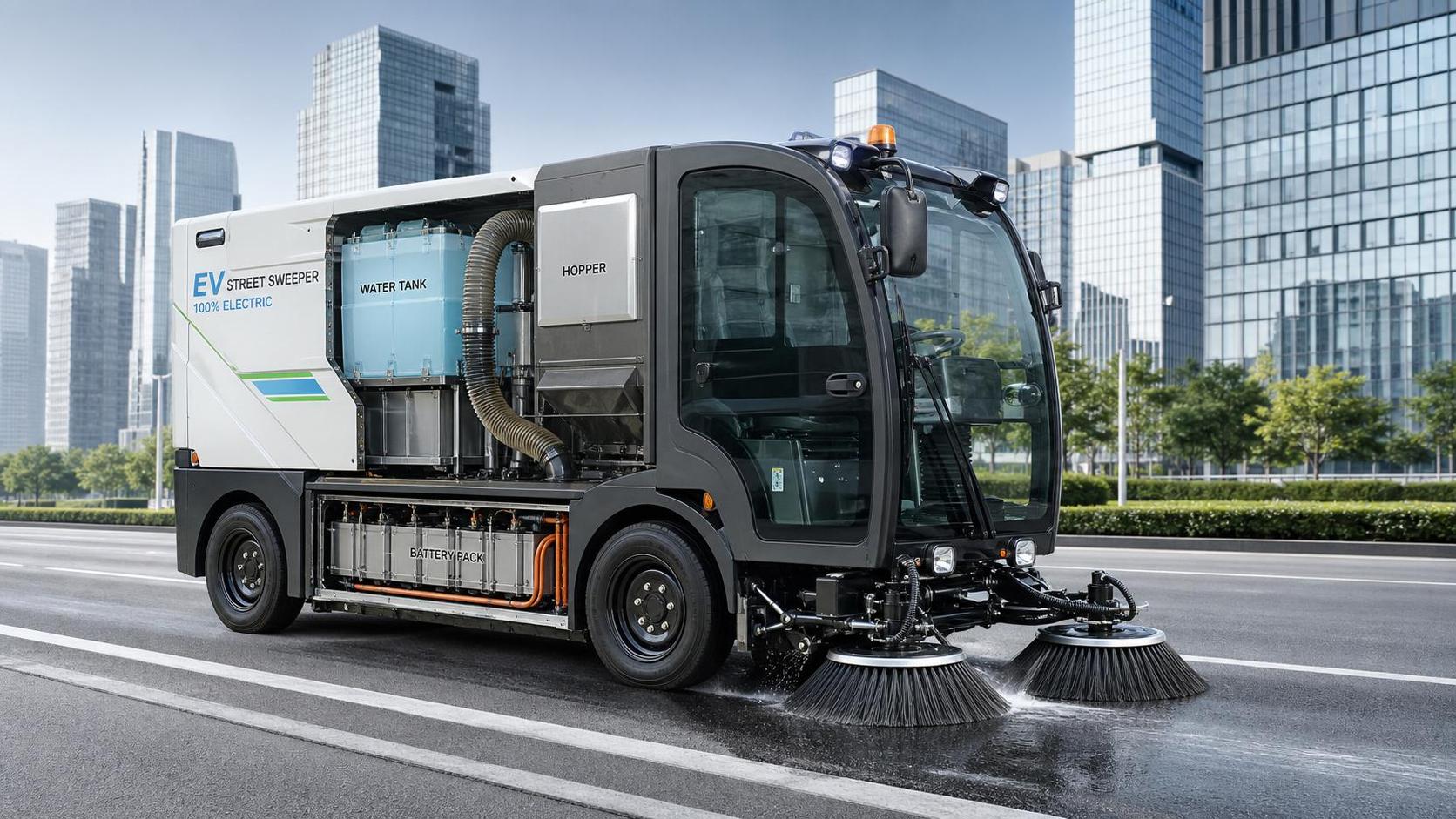
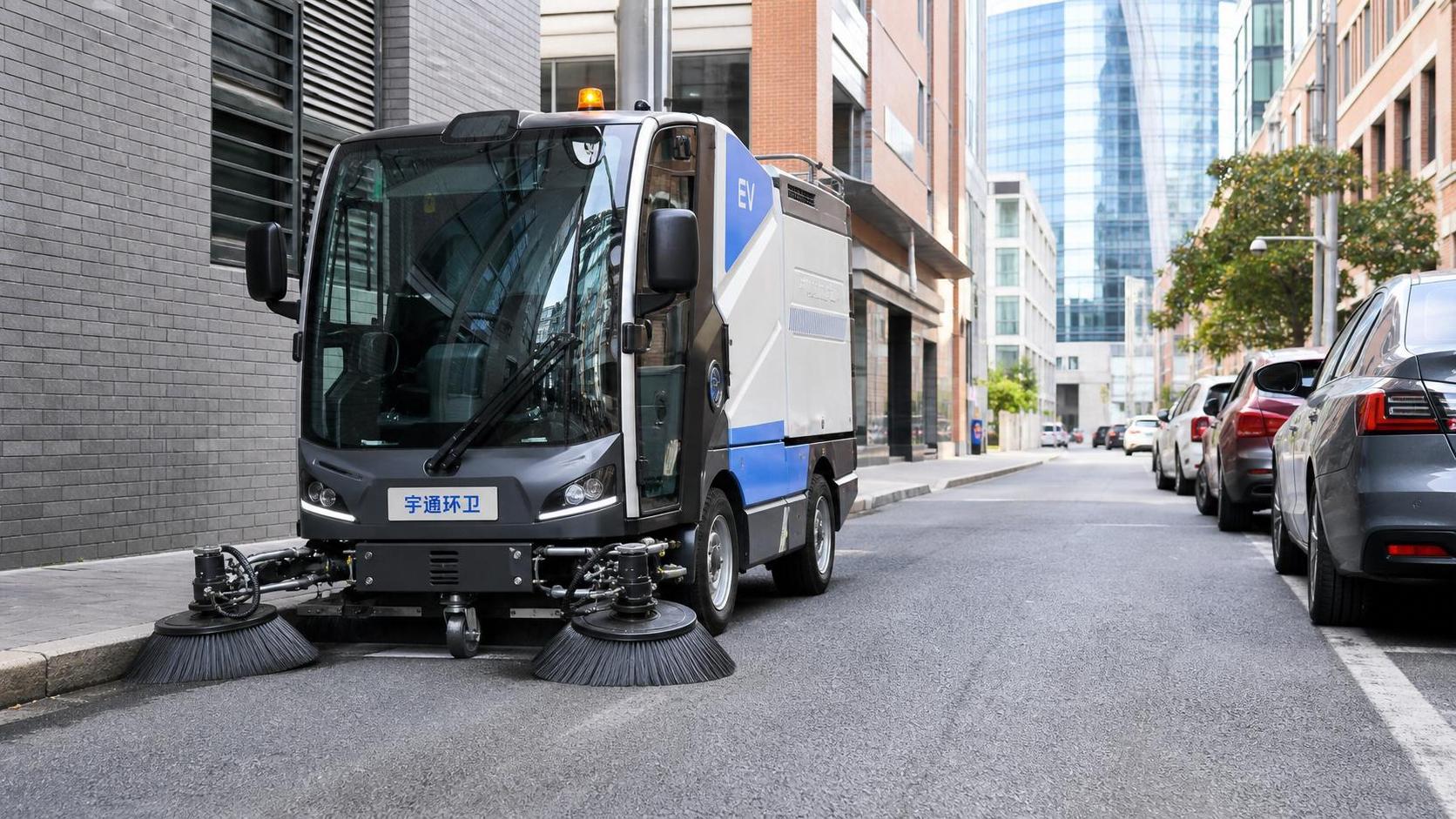
      Electric street cleaning vehicles for dense cities: compare battery endurance, turning radius, hopper and water capacity, charging, noise, and lifecycle cost before you buy.

    • TÜV Rheinland Sets New L4 Sweeper Certification Rule
      2026-06-24

      TÜV Rheinland Sets New L4 Sweeper Certification Rule

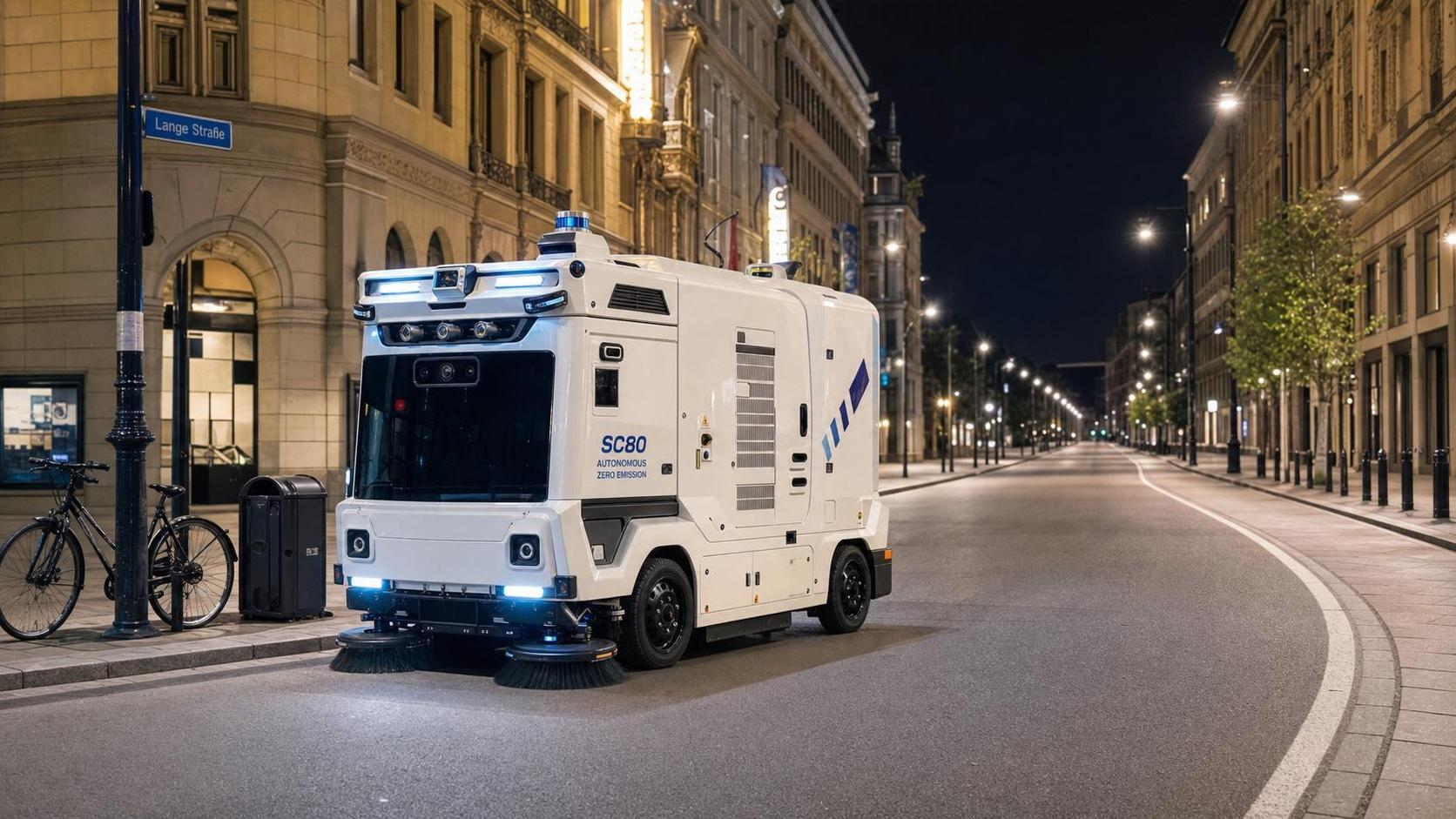
      TÜV Rheinland sets a new L4 sweeper certification rule for EU CE mark access. Learn how zero-emission and autonomous sanitation vehicles may face tougher tests, export risks, and compliance shifts.

    • Road Cleaning Trucks for Urban Sanitation: Types, Sweeping Systems, and Use Cases
      2026-06-20

      Road Cleaning Trucks for Urban Sanitation: Types, Sweeping Systems, and Use Cases

      Road cleaning trucks guide for urban sanitation: compare mechanical broom, regenerative air, and vacuum systems by street type, debris, and fleet goals.

    • How to Choose a Pure Electric Chassis for Street Sweepers in Urban Duty Cycles
      2026-06-19

      How to Choose a Pure Electric Chassis for Street Sweepers in Urban Duty Cycles

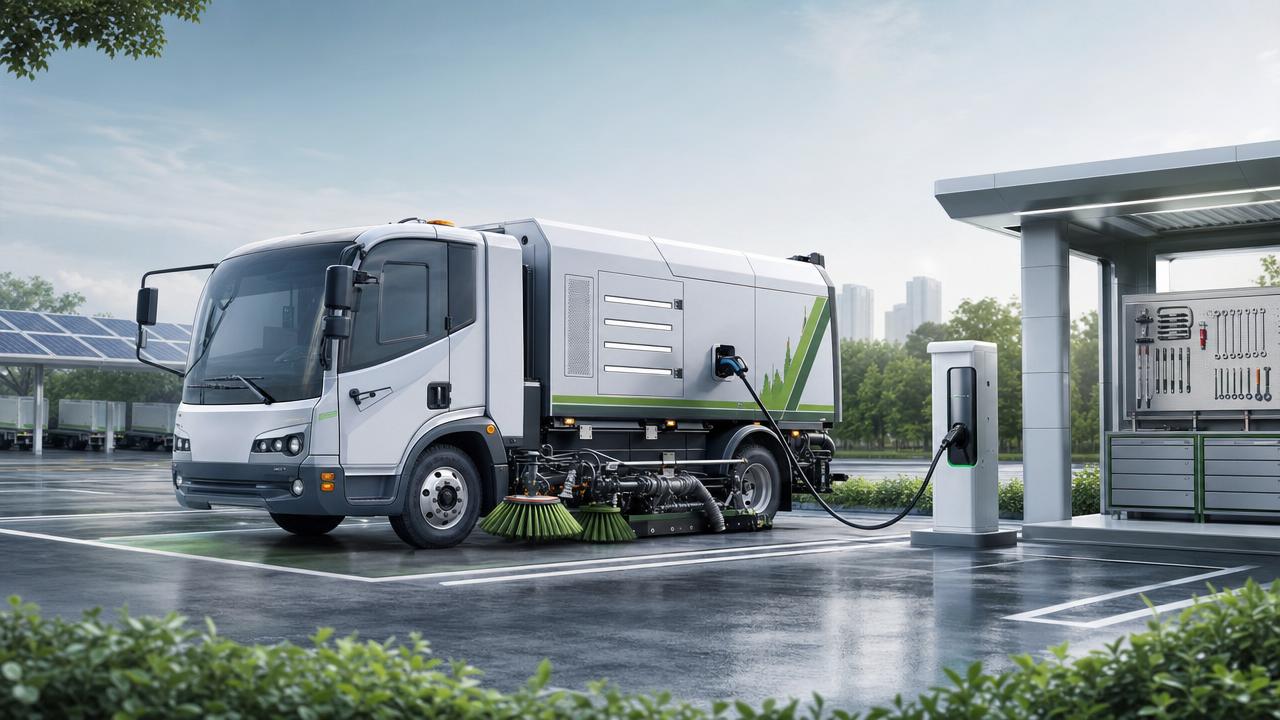
      Pure electric chassis for street sweepers: learn how to compare payload, low-speed efficiency, charging, and uptime needs to choose the right urban-duty platform with confidence.

    • Unmanned Operations in Sanitation Fleets: Where Automation Works and Where It Still Fails
      2026-06-11

      Unmanned Operations in Sanitation Fleets: Where Automation Works and Where It Still Fails

      Unmanned operations in sanitation fleets work best on stable, low-speed night routes—but fail in dense urban complexity. Learn where automation delivers real uptime, safety, and ROI.

    • How to Evaluate an Electric Sanitation Truck Manufacturer for Municipal Fleet Projects
      2026-06-10

      How to Evaluate an Electric Sanitation Truck Manufacturer for Municipal Fleet Projects

      Electric sanitation truck manufacturer evaluation guide for municipal fleets: compare battery performance, service support, customization, and TCO to choose a reliable long-term partner.

    • How to Evaluate Municipal Sanitation Services for Smart City Waste Programs
      2026-06-07

      How to Evaluate Municipal Sanitation Services for Smart City Waste Programs

      Municipal sanitation services for smart city waste programs: learn how to assess fleet fit, data visibility, safety, and lifecycle value to choose a cleaner, smarter, lower-risk solution.
    • How to Evaluate a Chemical Tanker Trucks Manufacturer for Corrosive Cargo Transport
      2026-07-14

      How to Evaluate a Chemical Tanker Trucks Manufacturer for Corrosive Cargo Transport

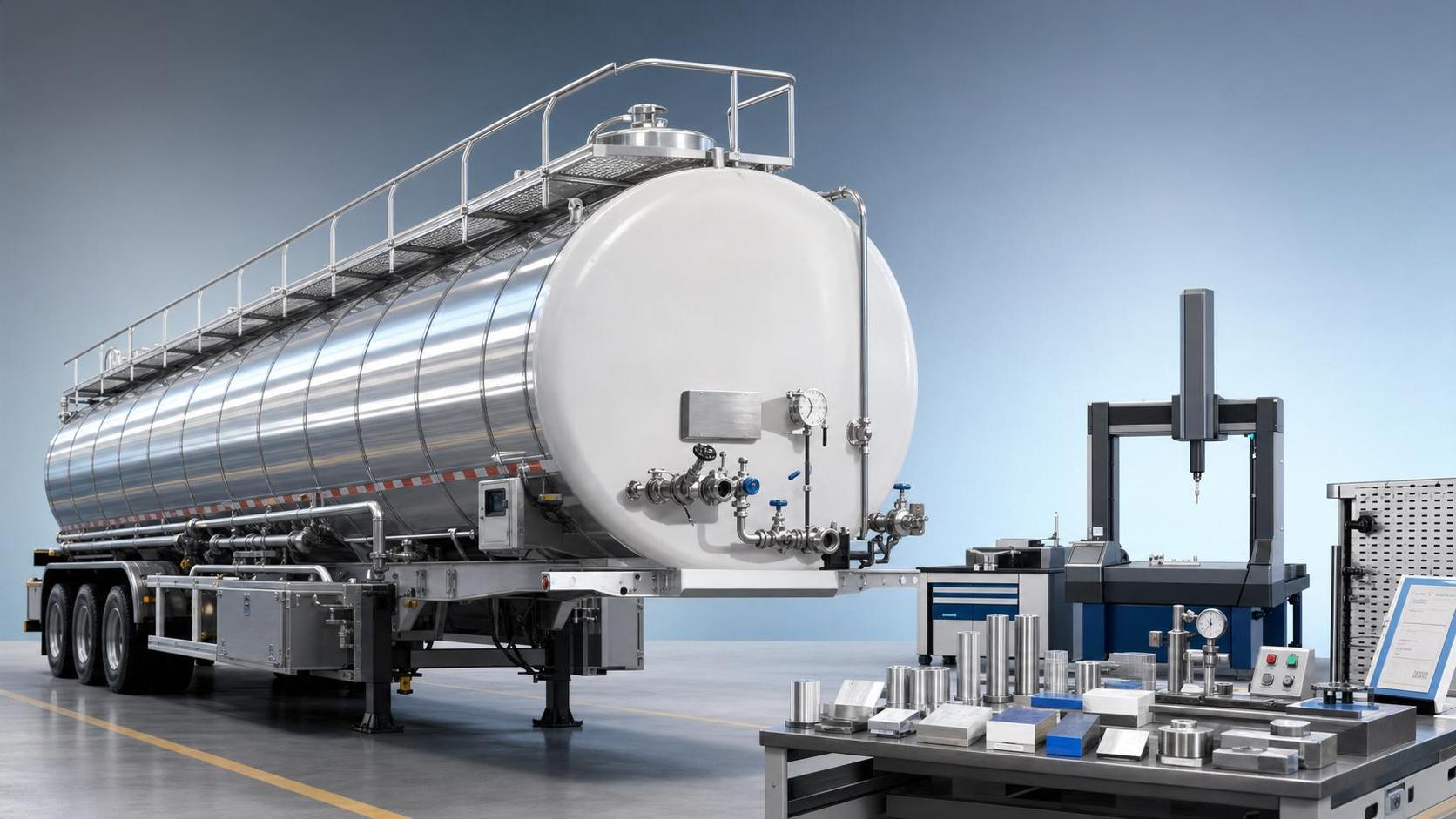
      Chemical tanker trucks manufacturer evaluation guide for corrosive cargo transport. Learn how to compare safety, compliance, materials, and lifecycle cost before you buy.

    • Anti-Slosh Tank Designs in the USA: Key Baffle Types and How to Choose Them
      2026-07-14

      Anti-Slosh Tank Designs in the USA: Key Baffle Types and How to Choose Them

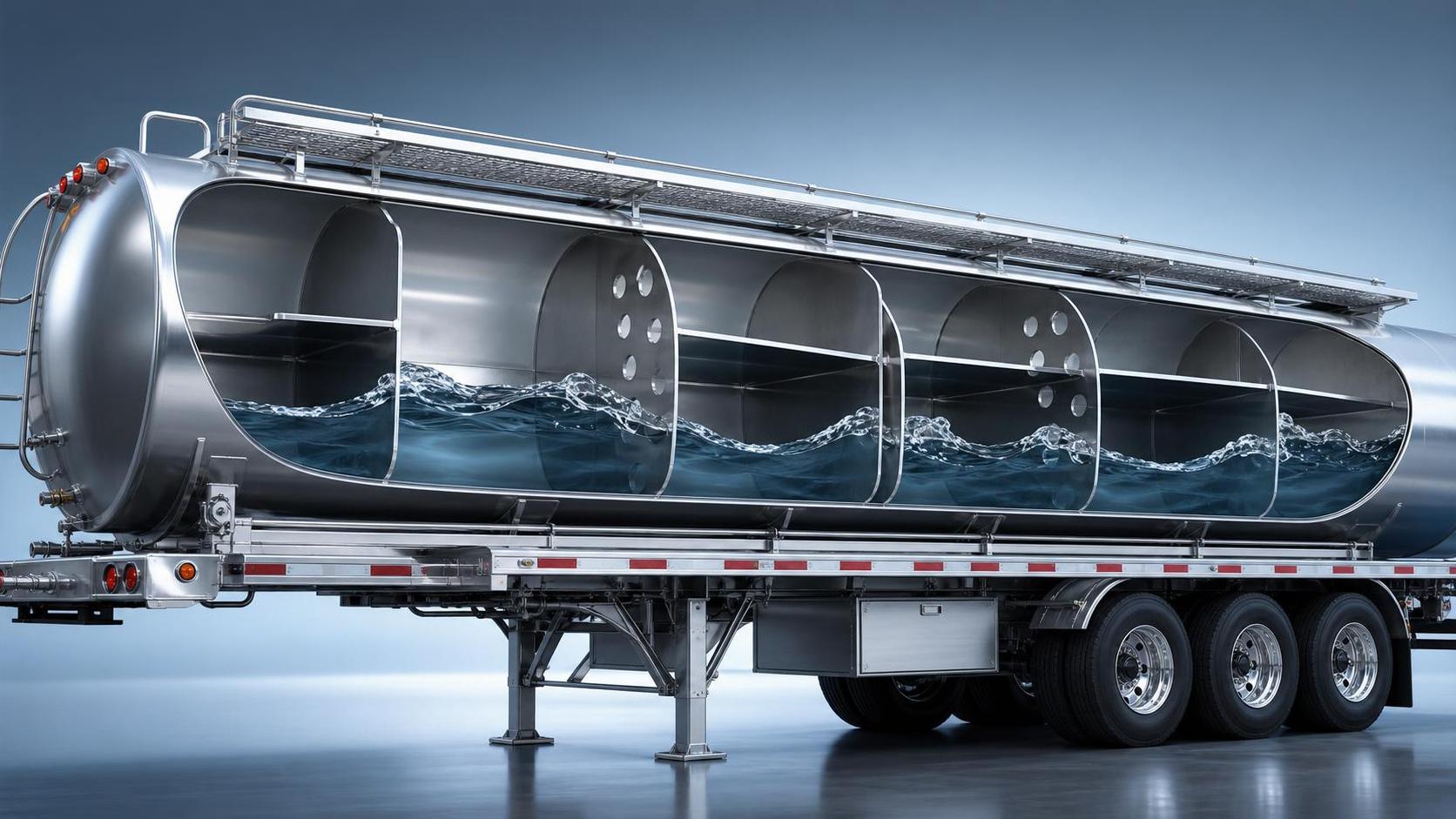
      Anti-slosh tank designs USA guide: compare transverse, longitudinal, perforated, and compartmented baffles to improve safety, stability, cleaning efficiency, and fleet selection.

    • Germany Tightens ADR 2026 Lining Rules for Corrosive Tankers
      2026-07-14

      Germany Tightens ADR 2026 Lining Rules for Corrosive Tankers

      Germany Tightens ADR 2026 Lining Rules for Corrosive Tankers: learn the new titanium lining and TÜV certification requirements, 2027 deadline, and export planning impact.

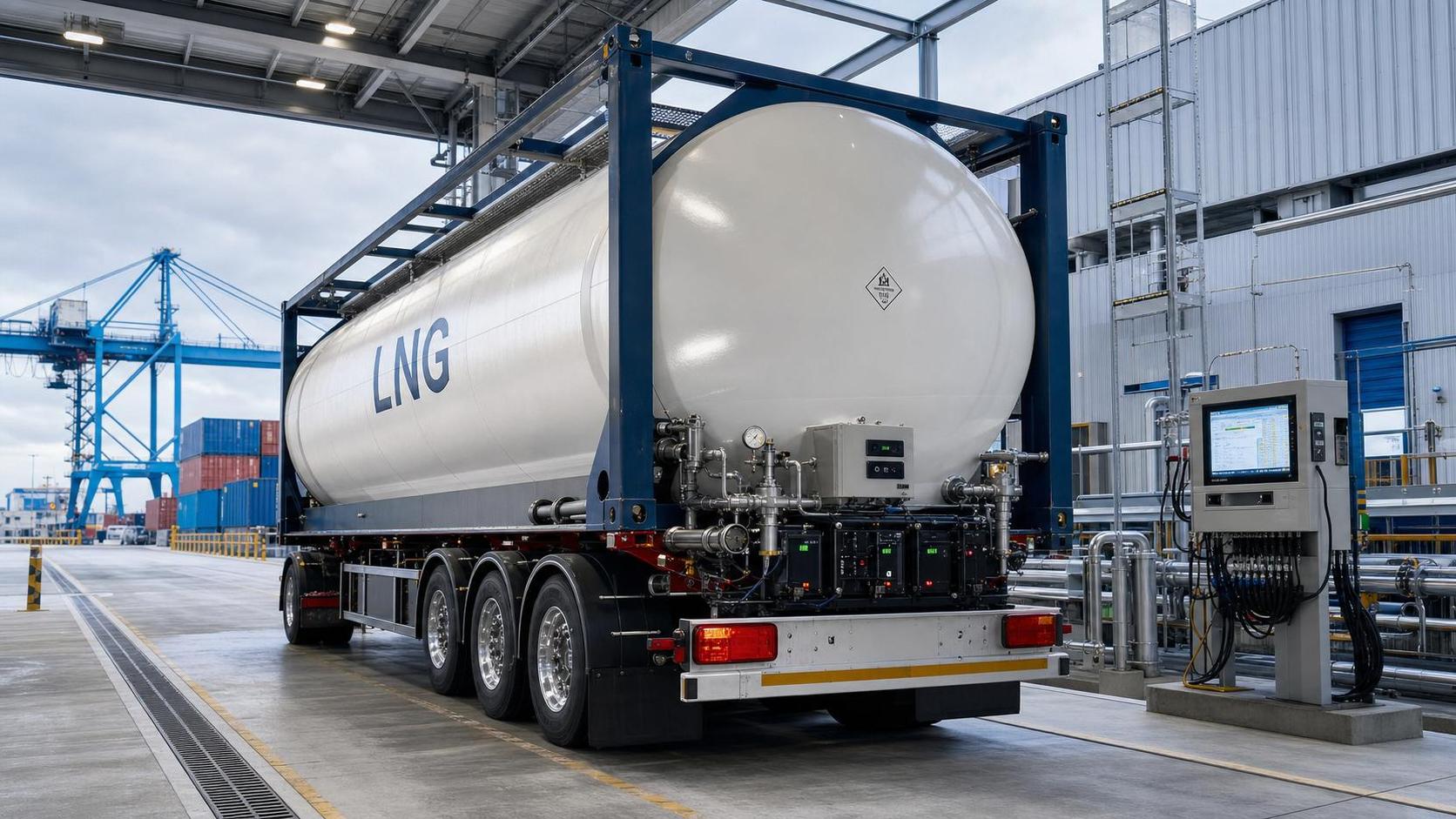
    • IMO Rule Triggers CLMS Requirement for LNG Trailers
      2026-07-14

      IMO Rule Triggers CLMS Requirement for LNG Trailers

      IMO Rule and CLMS requirement are reshaping LNG trailer compliance. Learn how LNG tanker trailers face new certification, port access, and delivery risks from the 2026 methane monitoring mandate.

    • How to Evaluate an Explosion Proof Vehicles Supplier for Hazardous Cargo Projects
      2026-07-13

      How to Evaluate an Explosion Proof Vehicles Supplier for Hazardous Cargo Projects

      Explosion proof vehicles supplier evaluation guide for hazardous cargo projects: compare compliance, engineering depth, lifecycle support, and hidden cost risks before you buy.

    • EU ADR 2026 Update Tightens Tanker Safety Rules
      2026-07-12

      EU ADR 2026 Update Tightens Tanker Safety Rules

      EU ADR 2026 update tightens tanker safety rules for corrosive chemical tankers. Learn the 2027 sensor and pressure relief requirements, compliance risks, and how importers, exporters, and fleet operators should respond now.

    • EU Mandates Hydrogen Leak Monitoring for LNG Tanker Trailers
      2026-07-11

      EU Mandates Hydrogen Leak Monitoring for LNG Tanker Trailers

      EU Mandates Hydrogen Leak Monitoring for LNG Tanker Trailers from 2027. Learn how EN 16458:2026 impacts certification, sourcing, ECE R110 approval, and delivery planning.

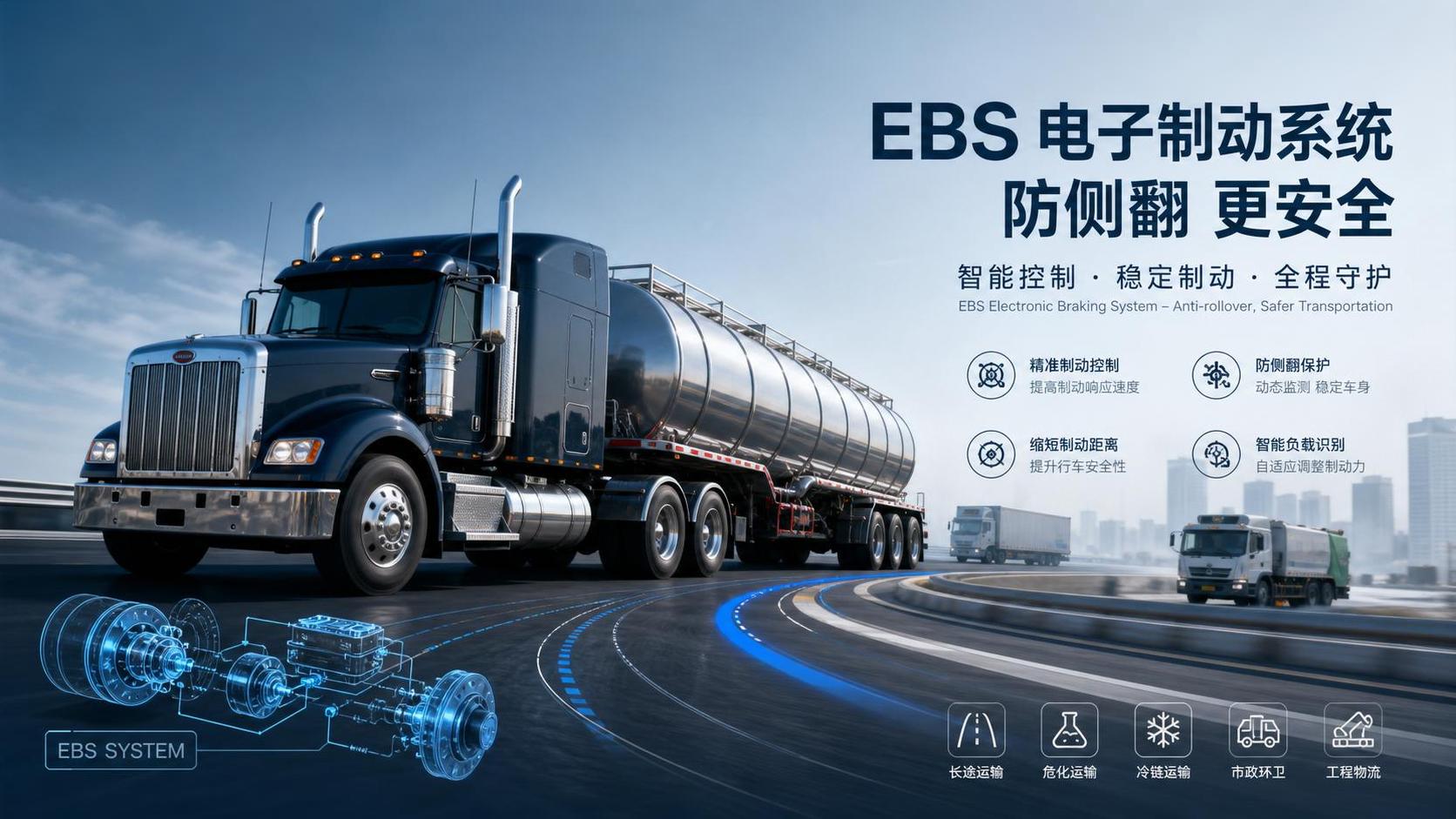
    • EBS Anti-Rollover in the USA: What Fleets Need to Know About Compliance and Stability
      2026-07-10

      EBS Anti-Rollover in the USA: What Fleets Need to Know About Compliance and Stability

      EBS anti-rollover USA explained: learn how fleets can improve compliance, reduce liability, and strengthen vehicle stability across tankers, trailers, and mixed-duty operations.

    • How to Choose Vacuum Insulated Tankers: Capacity, Hold Time, and Safety Factors
      2026-07-10

      How to Choose Vacuum Insulated Tankers: Capacity, Hold Time, and Safety Factors

      Vacuum insulated tankers: learn how to compare capacity, hold time, and safety factors to protect cargo quality, improve route efficiency, and choose the right tanker with confidence.

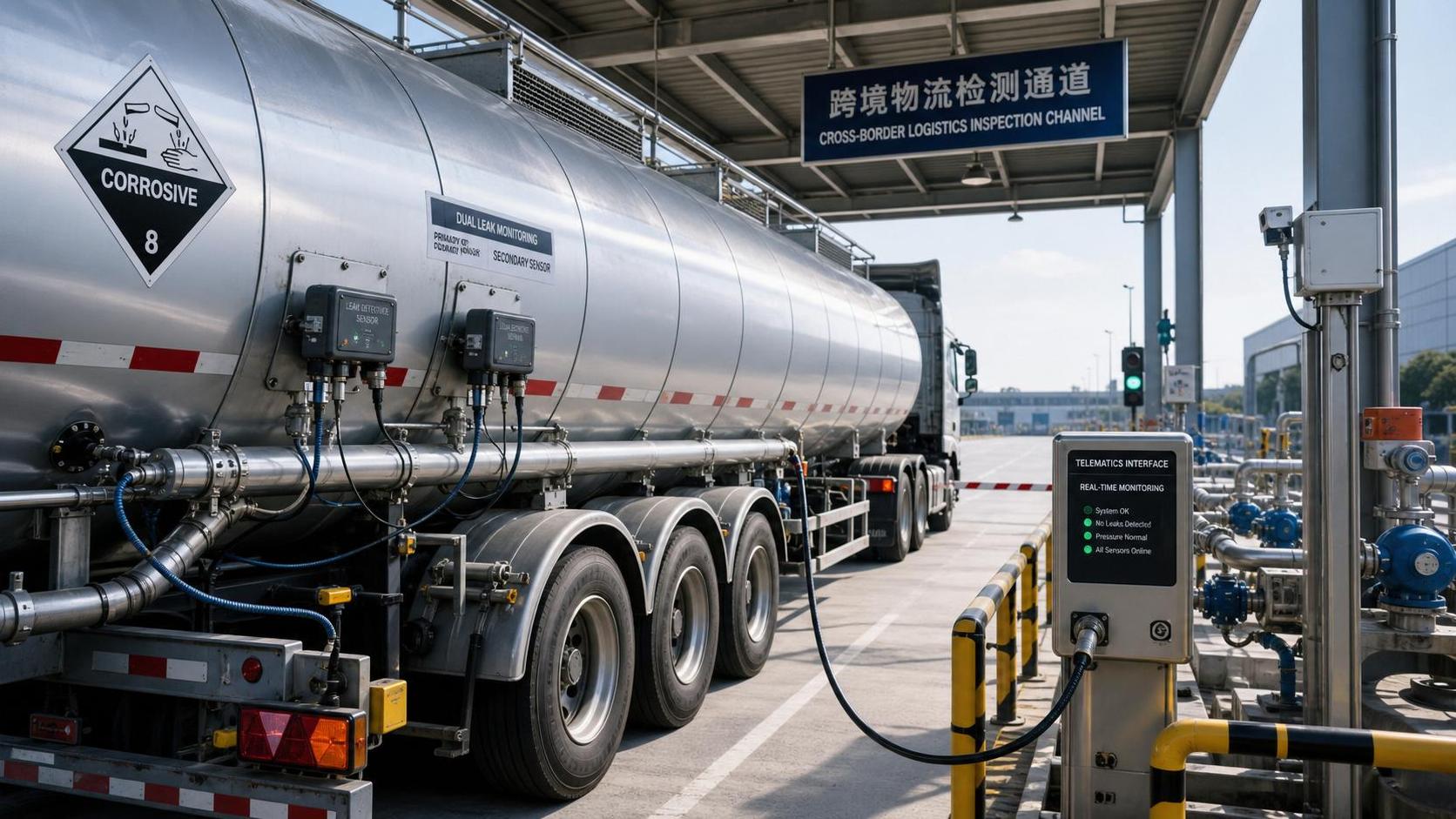
    • DOT Orders Dual Leak Sensors for Corrosive Tankers
      2026-07-10

      DOT Orders Dual Leak Sensors for Corrosive Tankers

      DOT orders dual leak sensors for corrosive tankers entering the U.S. by Oct. 1, 2026. Learn key compliance steps, telematics impacts, and urgent fleet actions now.
    Industries

    • Latest Sector News

    • Hazmat Transports

    • Heavy Trailers

    • Sanitation Vehicles

    • Refrigerated Trucks

    • Heavy-duty Tractors

    Resource

    • Privacy Policy

    • Resources

    • About

    • Home

    HTSV
    The Global Heavy Transport & Special Vehicles (HTSV) is a premier intelligence portal dedicated to long-haul heavy tractors, urban cold chain logistics, municipal sanitation, and extreme hazmat transport equipment. As a deep observer of the "Major Arteries of the Global Economy," HTSV aims to perfectly link extreme aerodynamics, complex chassis load-bearing mechanics, and the global commercial vehicle industry's demands for electrification, intelligence, and absolute safety compliance through rigorous intelligence "stitching."

    In the current global transport equipment landscape, HTSV focuses on the five pillars defining modern logistics and urban operational efficiency:

    Heavy-duty Tractors: The "Steel Locomotives" of highway freight, undergoing a once-in-a-century revolution from traditional large-displacement diesels to hydrogen and pure electric power, challenging human driving fatigue limits via L4 autonomous trunk logistics.

    NEV Refrigerated Logistics Trucks: The "Mobile Incubators" of the fresh produce and pharmaceutical supply chains. Through independent electric-drive refrigeration and VIP (Vacuum Insulated Panel) technology, they defend every degree of the cold chain temperature limit in congested urban road networks.

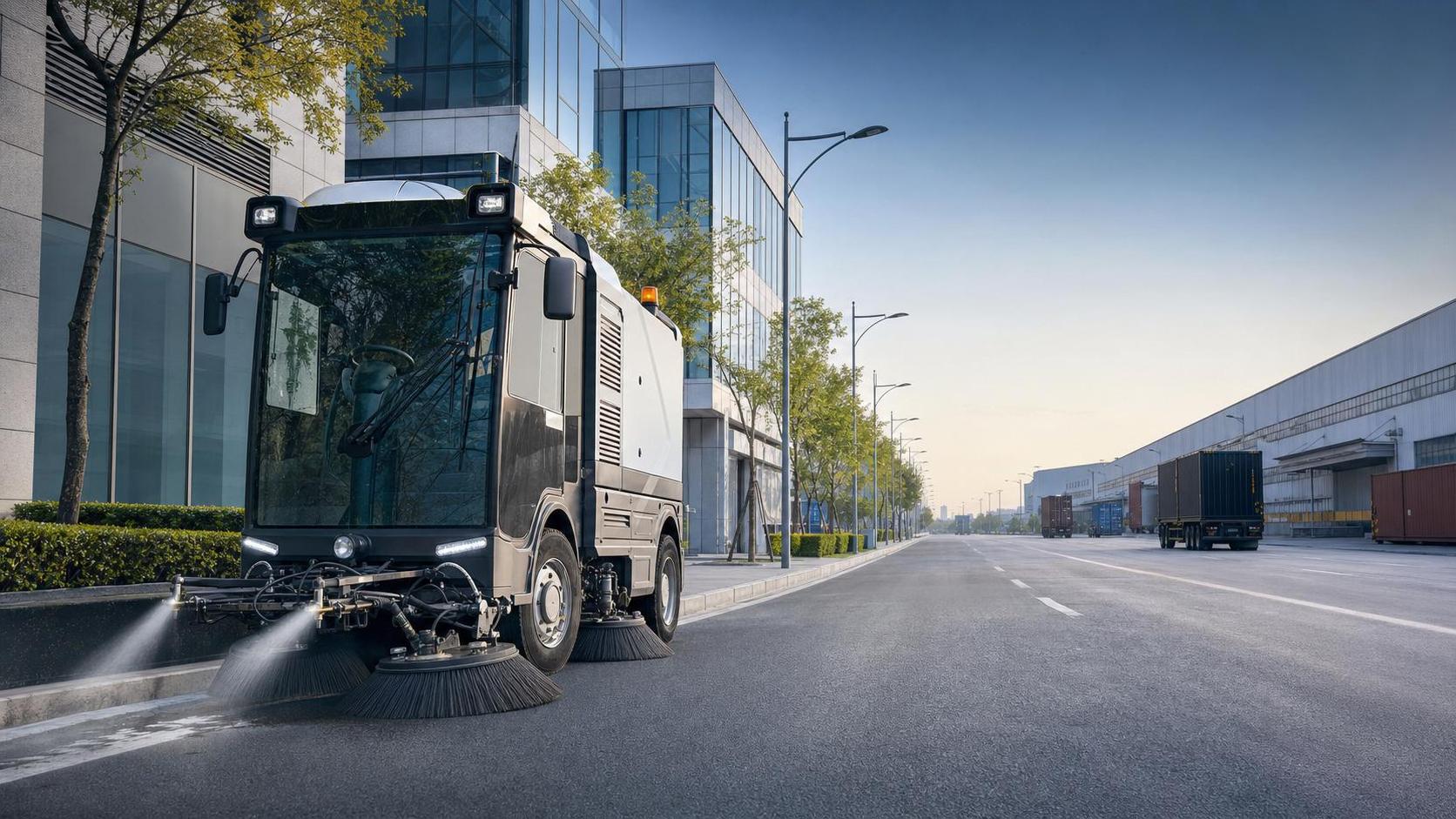
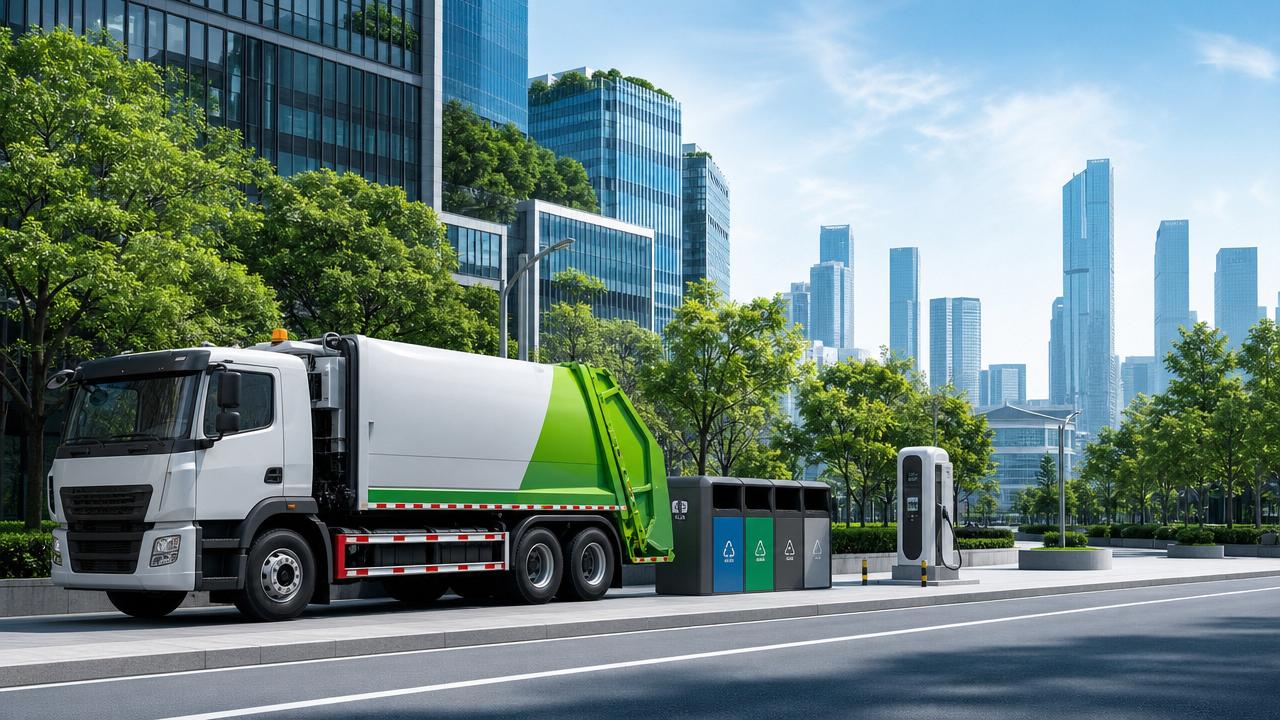
    Municipal Sanitation Vehicles: The "Scavengers" of urban civilization, comprehensively entering the era of new energy and unmanned operations. Utilizing whisper-quiet pure-electric chassis and auto-tracking systems to deep-clean cities in the dead of night.

    Heavy Trailers & Semi-trailers: The "Versatile Carriers" of bulk commodities. Through the extreme lightweighting of high-strength steel and aluminum alloys, they fight for every ton of golden payload for fleets under strict compliance conditions.

    Hazmat Transports: The "Mobile Powder Kegs" shuttling on highways. Boasting the most rigorous anti-slosh tank designs, EBS anti-rollover controls, and explosion-proof chassis in the commercial vehicle sector to guard the absolute safety boundaries of petrochemical energy transfer.

    Strategic Intelligence Center: The Brain for Commercial Fleets.
    At the heart of HTSV, the "Strategic Intelligence Center" is driven by Heavy Haulage Architects, Cold Chain Transport Experts, and Hazmat Logistics Scientists. We do more than distribute Latest Sector News—capturing stringent "Zero-Emission Zone (ZEZ)" regulations and international hazmat (ADR) bans in the US and Europe. We also provide in-depth Evolutionary Trends reports, analyzing wind tunnel drag reduction models for heavy truck cabs, CFD simulations of liquid sloshing inside liquefied gas tankers, and telematics-based tidal dispatch algorithms for sanitation fleets. Our Commercial Insights module reveals the structural shortage of NEV logistics trucks driven by global e-commerce and fresh food delivery expansions, assisting global commercial OEMs and bodybuilders in establishing indestructible TCO advantages in multinational fleet tenders.

    Vision & Mission: Driving the Arteries, Guarding the City.
    The mission of HTSV is to ensure that every tractor, every refrigerated truck, and every hazmat tanker maximizes both its uptime and safety throughout its lifecycle. We are committed to promoting full digital platooning, zero-carbon emissions, and extreme-condition adaptability for commercial vehicles, helping heavy automotive enterprises achieve outstanding international voice.

    Our Slogan: Visioning Heavy Haulage, Intelligence Driving Logistics.
      Copyright © Global Heavy Transport & Special Vehicles (HTSV)

      Site Index